
Why Qualified PAT Technicians Matter to Your Business

A failed kettle in a staff kitchen may seem minor, but it can reveal a wider problem: electrical equipment has been left unchecked, records are out of date, and no one is quite sure what has been tested. Qualified PAT technicians bring order to that process. They inspect and test portable appliances properly, identify issues in clear terms, and provide the records your organisation needs to act with confidence.
For a business, school, landlord, charity or healthcare practice, PAT testing is not just about attaching a pass label. It is about managing electrical risk sensibly while keeping day-to-day work moving. The right technician makes that straightforward rather than creating another administrative task for your team.
What qualified PAT technicians actually do
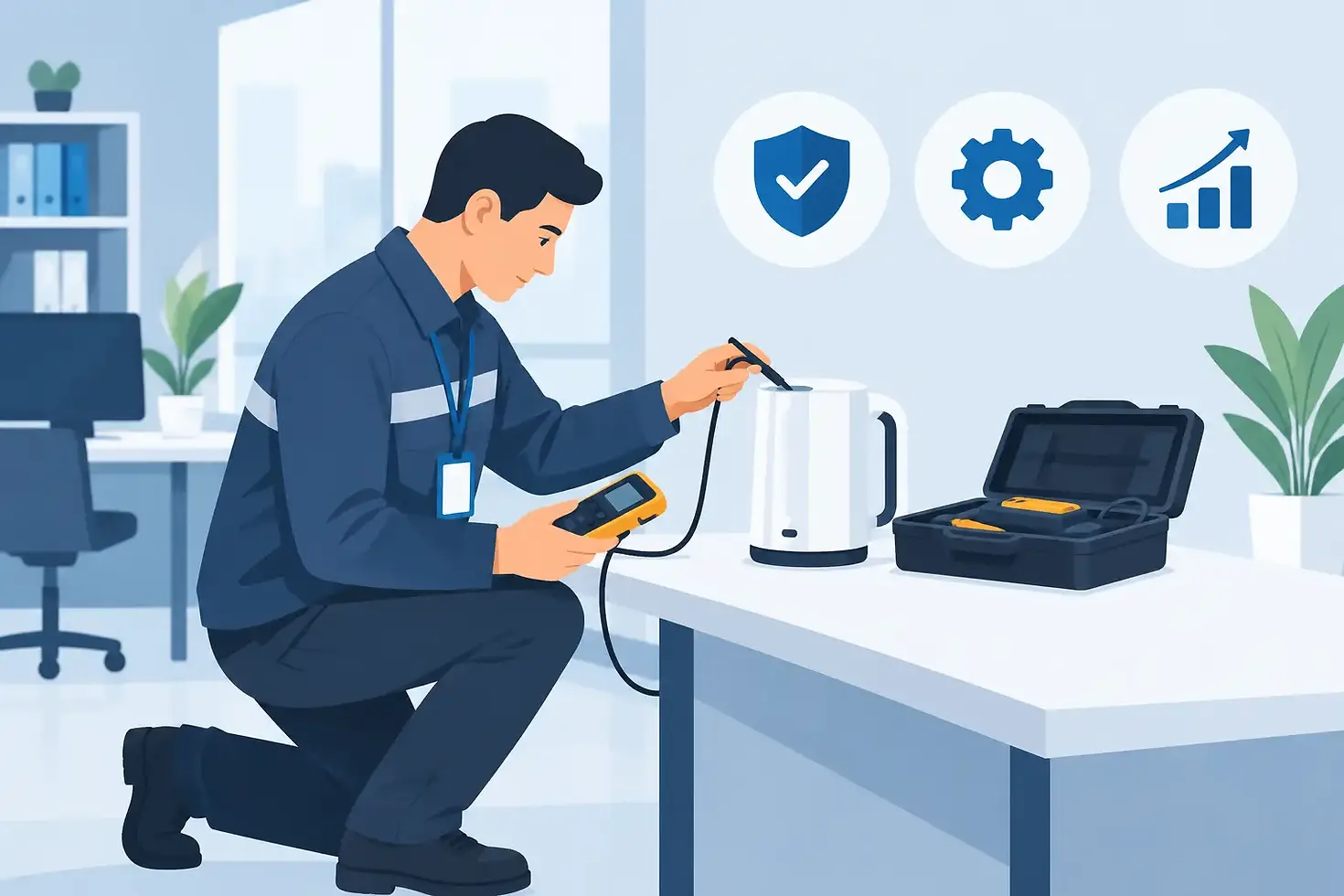
Portable Appliance Testing, commonly known as PAT testing, is a combination of visual inspection and electrical testing. A competent technician checks appliances, leads, plugs and extension equipment for damage or defects that could make them unsafe. Where appropriate, they use suitable test equipment to check features such as earthing, insulation and lead continuity.
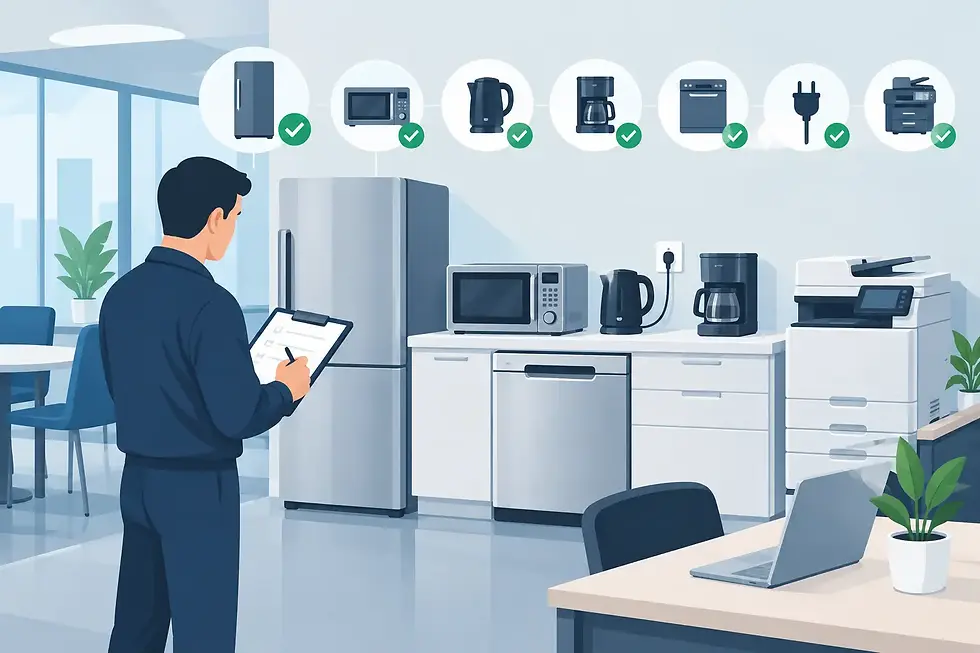
The visual part matters just as much as the meter reading. A cracked plug, exposed cable, damaged casing or an overloaded extension lead can often be spotted quickly. Equally, not every appliance needs the same test. A desktop computer, a double-insulated appliance, a heater used daily in a workshop and a rarely used office fan each present different considerations.
Qualified PAT technicians should understand those differences. They should be able to decide on an appropriate inspection and testing approach, use equipment correctly and explain the result without burying you in technical language. If an item fails, you need to know what is wrong, whether it can be repaired, and whether it must be removed from use immediately.
Competence matters more than a badge alone
There is no single government-issued PAT licence that automatically proves someone is competent. In practice, competence comes from suitable training, practical knowledge, experience and an understanding of the equipment being tested. A technician should also work with properly maintained and calibrated test equipment and follow a clear, consistent process.
That does not mean every business needs a complicated technical assessment before booking a visit. It means you should feel comfortable asking simple questions. Who will carry out the work? What does the service include? Will every appliance be recorded? What paperwork will you receive? How are failed items handled?
A professional provider will answer plainly. They should not rely on vague promises or use jargon to make a routine safety service sound mysterious. You are paying for sound judgement as well as the testing itself.
PAT testing supports your wider safety responsibilities
UK law does not say that every portable appliance must receive a PAT test every year. Nor does it require a particular sticker colour or a one-size-fits-all interval. What the law does require is that electrical equipment is maintained so far as necessary to prevent danger.
PAT testing is one practical way to support that duty. It gives organisations a structured record of what equipment they have, what condition it was found in and what action was taken. This can be useful for internal safety procedures, insurance documentation, audits and routine facilities management.
The right testing frequency depends on risk. Equipment used by the public, moved frequently, used in workshops or exposed to tougher conditions may need more regular attention than low-risk equipment in a quiet office. New equipment may need a visual check and recording before use, but may not need the same electrical tests as older or heavily used items.
A qualified technician can help you apply a sensible schedule rather than automatically testing everything at the same interval. That approach keeps the focus on safety and avoids unnecessary cost.
Clear records are part of the service
The value of PAT testing is reduced if the paperwork is incomplete, difficult to read or arrives too late to be useful. A proper report should give you a clear appliance register, showing the item description, location where relevant, unique identification number and pass or fail result. It should also record any observations and identify failed equipment clearly.
Certification and reporting are particularly useful when responsibility is shared. An office manager may arrange the visit, while a facilities manager, landlord, headteacher or business owner needs evidence that the work has been completed. Clear records mean nobody has to search through old emails or rely on a box of unlabeled leads to work out what happened last year.
Branded appliance labels can also make day-to-day checks easier. Staff can see that an item has been assessed and, where a retest date is used as part of your system, when it should next be reviewed. Labels are not a substitute for checking equipment before use, but they are a helpful part of an organised process.
Keeping disruption to a minimum
Many organisations put off PAT testing because they expect it to interrupt the working day. That concern is understandable. Desks may need moving, equipment may be in constant use, and customer-facing sites cannot simply stop operating for hours.
A good service is planned around those realities. Before the visit, it helps to agree the areas to be covered, approximate number of items, access arrangements and any equipment that cannot be switched off at certain times. Testing can then be organised in a logical order, with staff given clear guidance about what they need to do.
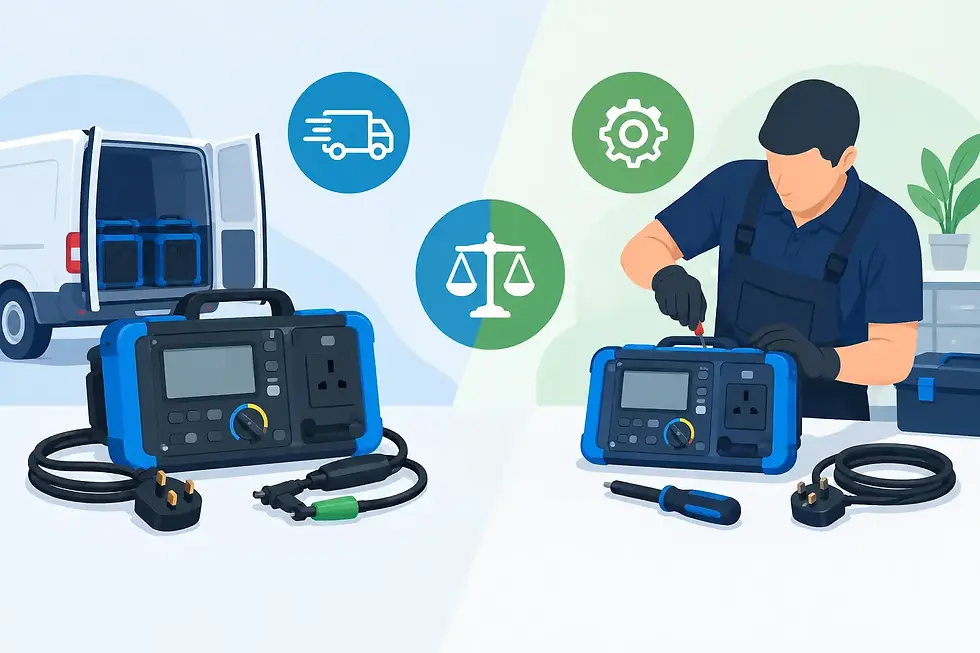
Out-of-hours appointments can be the best option for busy offices, clinics, schools and retail premises. In other settings, testing one area at a time during quieter periods is more practical. There is a trade-off: evening or weekend access may suit your operations better, while an on-site daytime visit can make it easier to identify equipment and deal with queries as they arise. The best choice depends on how your organisation works.
What to expect if an appliance fails
A failed result does not necessarily mean a major problem, but it should be taken seriously. Some failures are straightforward, such as a damaged plug top or a fuse issue. Others, including damaged cables, loose connections or poor insulation readings, may require repair by a suitable person or replacement of the appliance.
Failed equipment should be clearly identified and taken out of use until it is safe. The report should make this easy to manage. If an item is repaired, it should be checked again before being returned to service.
This is where a calm, practical explanation makes a difference. A useful technician will tell you what has failed and what the sensible next step is. They should not pressure you into replacing equipment unnecessarily, but neither should they minimise a fault that could create a risk for staff, visitors or tenants.
Choosing a PAT testing provider
Price matters, especially when there are hundreds of appliances to test, but the cheapest quote is not always the best value. Check what is included. A low headline rate can be less helpful if it excludes reporting, certificates, labels, failed-item information or the time needed to test equipment properly.
Look for a provider that is clear about qualifications and competence, has appropriate liability insurance, uses suitable test equipment and can offer a full record of the work completed. Local availability and flexible appointment times are also worth considering if you need to minimise disruption.
For organisations across Basingstoke, Reading, Fleet and the surrounding area, a local service can make renewal dates and follow-up visits easier to manage. Pax Animi PAT Testing provides a customer-friendly approach, with qualified testing, jargon-free reporting and appointments arranged around your working day.
Make the next test easier than the last
The most effective PAT testing programme is one that does not create a scramble every year. Keep new purchases recorded, ask staff to report damaged leads promptly, remove unsafe equipment from use and keep your latest report somewhere the responsible person can find it. Renewal reminders can then become a useful prompt rather than an unwelcome surprise.
Choosing qualified PAT technicians gives you more than a list of pass results. It gives you clear information, a manageable record and the reassurance that electrical safety has been handled properly, with as little disruption to your organisation as possible.
Comments