

PAT Testing Near Basingstoke for Businesses

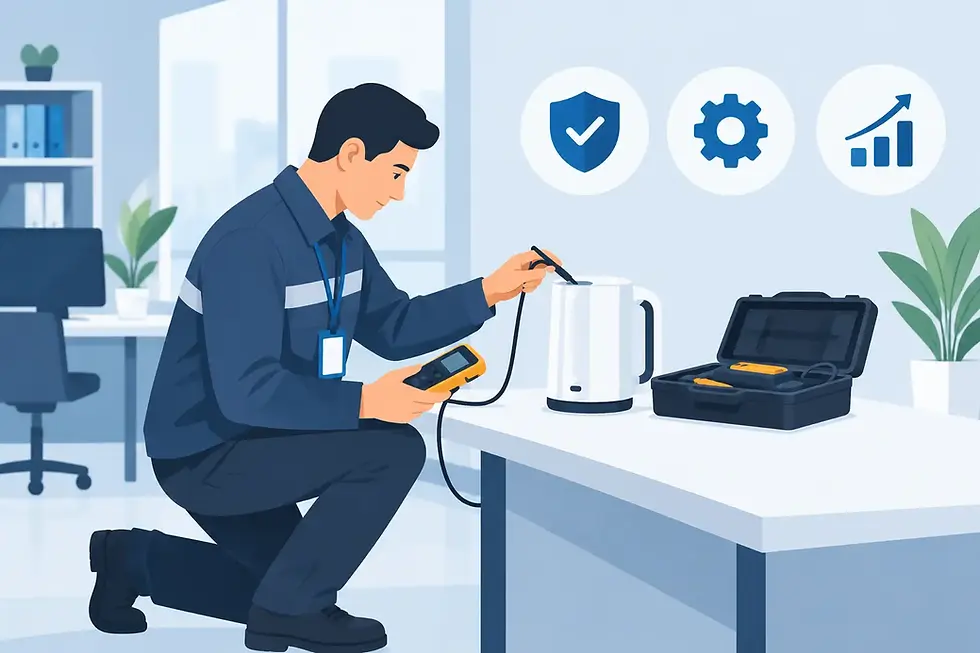
A failed kettle in a staff kitchen may seem minor, but it can be a warning that equipment is being used without the checks needed to spot electrical faults early. If you are searching for PAT testing near Basingstoke, the priority is simple: keep portable equipment safe, maintain clear records and arrange the work without bringing your day to a halt.
For offices, schools, workshops, healthcare practices, landlords and charities, portable appliance testing is a practical part of managing workplace safety. A qualified local technician can test equipment efficiently, label the items checked and leave you with straightforward documentation for your records.
What PAT testing actually covers
PAT testing is the routine inspection and testing of portable electrical appliances and leads. It helps identify damage, wear or electrical faults that may not be obvious during day-to-day use. The work normally begins with a visual inspection, followed by electrical tests where appropriate.
The equipment covered can include computers, monitors, printers, extension leads, chargers, kitchen appliances, cleaning equipment, power tools and other items with a plug. In some settings, fixed or hard-wired equipment may need a different type of inspection, so it is worth clarifying what is included before an appointment is booked.
A proper service is not just a pass or fail sticker. It should give you a usable record of each item tested, its result, any faults identified and the recommended date for review. This makes it easier to answer questions from insurers, auditors, trustees or internal health and safety teams.
Is PAT testing a legal requirement?
There is no single law that says every appliance must be PAT tested once a year. However, employers, landlords and those responsible for premises have duties to keep electrical equipment safe. PAT testing is one recognised way to support those duties and demonstrate that a sensible maintenance process is in place.
How often equipment should be tested depends on the risk. A desktop computer in a tidy office is used differently from a drill on a building site or a portable heater in a busy communal area. Age, condition, frequency of use, the environment and who uses the equipment all matter.
That is why an annual testing programme can be appropriate for many businesses, but it is not the only answer. A good provider will help you set sensible retest intervals rather than applying the same schedule to every item without considering its use.
When to arrange PAT testing near Basingstoke
Testing is often arranged ahead of an insurance renewal, an audit, a move into new premises or an internal safety review. It is also useful after a period of growth, when equipment has been added gradually and records have become unclear.
You should also consider booking testing when appliances are brought in from home, donated to a charity, returned from storage or moved between sites. These items can easily fall outside an existing register. Keeping a clear record avoids uncertainty over what has and has not been checked.
For landlords and managed premises, the practical challenge is often access. A flexible appointment outside normal working hours can make a real difference where tenants, staff or visitors need the space during the day. The same applies to schools, surgeries and customer-facing businesses where disruption needs to be kept to a minimum.
What a professional PAT testing visit should include
Before the visit, you should be able to discuss the number and type of appliances, site access, working hours and any equipment that must remain available. This allows the technician to plan the work realistically and provide a clear quotation.
On site, the process should be orderly and considerate. Equipment is visually checked for issues such as damaged plugs, frayed cables, cracked casings, incorrect fuses and signs of overheating. Suitable electrical tests are then carried out, with appliances labelled to show their status.
Afterwards, ask for documentation that is easy to keep and easy to understand. The most useful records usually include:
an itemised report showing pass and fail results;
a certificate confirming the testing completed;
appliance labels for quick identification on site; and
clear details of any failed items and what action is needed.
Jargon-free reporting matters. If an item fails, you need to know whether it should be removed from use immediately, repaired, replaced or checked again after a simple issue has been corrected. A report that is technically accurate but difficult to interpret only creates more work for the person responsible for the premises.
Choosing the right local PAT testing provider
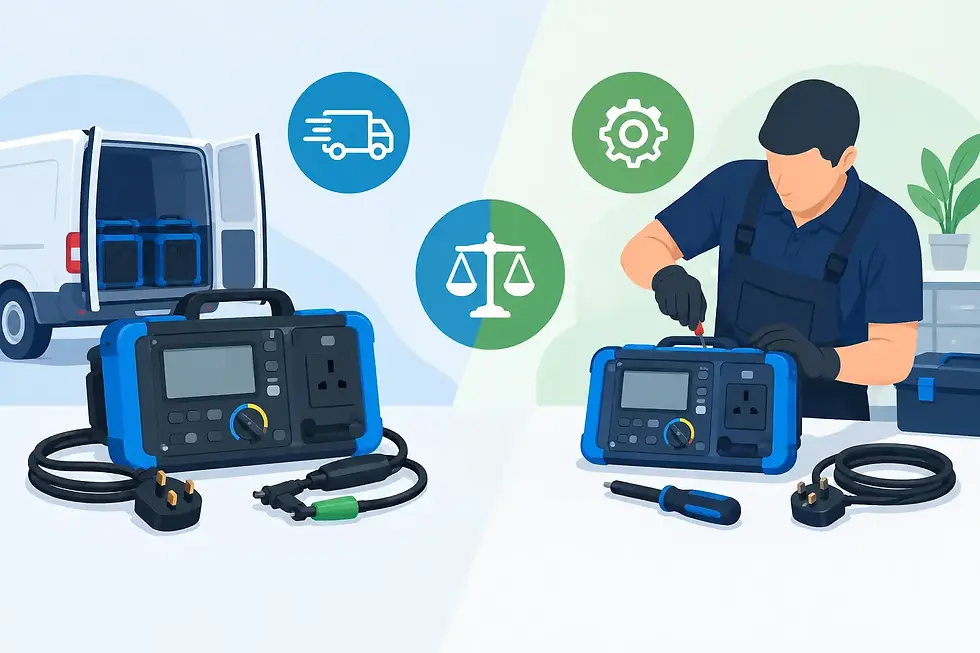
Price matters, particularly when a business has a large number of appliances, but the cheapest quote is not always the best value. Check what the price includes, whether certification and a full report are provided, and whether there are additional charges for call-outs, minimum quantities or failed items.
It is also sensible to ask about qualifications, insurance and availability. A provider should be able to explain their process plainly, work around your operating hours where possible and treat your premises with care. For smaller businesses, responsiveness can be as valuable as the testing itself: you may need answers quickly when an audit date or landlord request is approaching.
Local coverage is useful when you need a reliable appointment and someone who understands the practical needs of nearby organisations. Pax Animi PAT Testing supports businesses and organisations in Basingstoke and surrounding areas with qualified testing, branded appliance labelling, full reporting and renewal reminders to help keep records current.
Preparing your workplace for the appointment
A little preparation can save time on the day. Make staff aware of the visit and ask them to leave equipment accessible where possible. If laptops, chargers or specialist equipment are taken home regularly, decide whether they will be available for testing or recorded for a separate visit.
It also helps to identify equipment that cannot be switched off during the day, such as servers, medical equipment, tills or essential production machinery. These items may need to be tested at a quieter time or assessed under a planned arrangement. Safety work should fit the reality of your operation, not create avoidable downtime.
Keep a list of new appliances purchased after the last testing visit. Adding them to your register promptly is far easier than trying to reconstruct a full inventory at the end of the year. For hired, loaned or employee-owned equipment used at work, agree a clear policy so responsibility is not left unclear.
Keeping compliance manageable after testing
The certificate is useful, but the day-to-day process matters just as much. Encourage staff to report damaged cables, loose plugs, overheating and equipment that has been dropped or exposed to water. A visual check before use is often the first line of defence, particularly for frequently moved equipment and power tools.
Failed equipment should be clearly taken out of service until it has been repaired, retested or replaced. Do not rely on a label alone if there is a risk that someone may plug it in again. Store it separately or remove the plug where appropriate, following your own workplace procedures.
Set a reminder for your next review date and retain your report somewhere accessible to the people who need it. With a sensible schedule, clear records and a provider who works around your business, electrical safety does not have to become an administrative burden. It can simply be one well-managed part of running a safe workplace.

Comments