

PAT Testing for Landlords Explained

A frayed kettle lead in a furnished rental rarely looks like a major problem - until a tenant reports a shock, an insurer asks for records, or a safety issue turns into a dispute. That is why pat testing for landlords matters. It is not just about stickers on appliances. It is about showing that the electrical items you supply have been checked properly, recorded clearly and managed with reasonable care.
For landlords, the challenge is usually less about understanding electrical theory and more about knowing what is sensible, what is expected, and how to keep the process straightforward. If you provide portable appliances in a rental property, a practical testing and record-keeping routine can make life much easier.
What PAT testing for landlords actually covers
PAT stands for Portable Appliance Testing. In simple terms, it is the inspection and testing of electrical appliances that can be moved and plugged in. That includes obvious items such as kettles, microwaves and lamps, but it can also include extension leads, toasters, vacuum cleaners and portable heaters supplied with the tenancy.
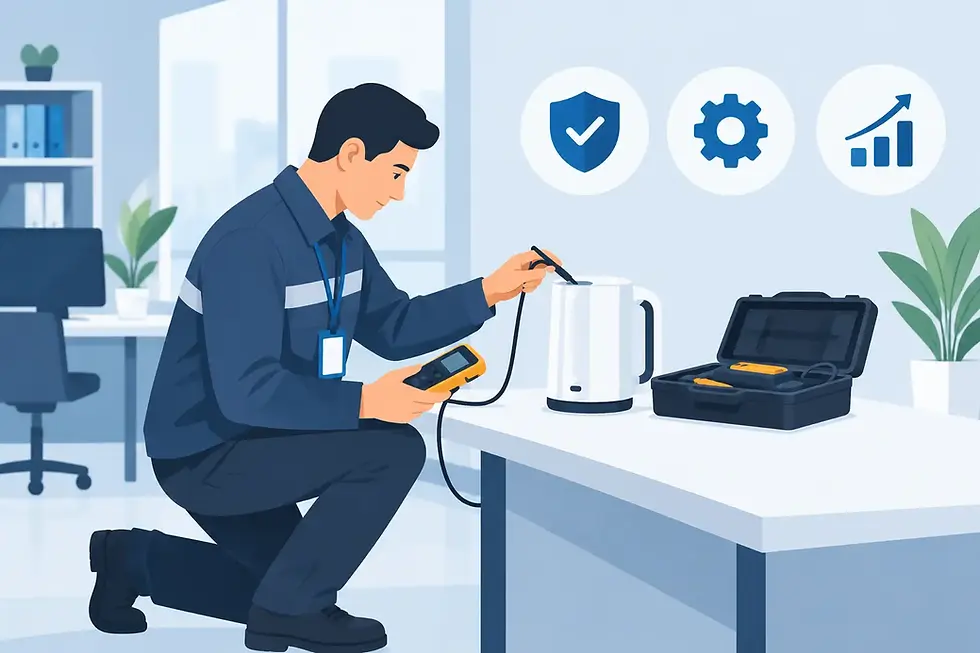
The process usually starts with a visual inspection. This is often where faults are found. A cracked plug, damaged cable, loose connection or signs of overheating can all be spotted without getting into technical detail. If an item passes the visual check, electrical testing may then be carried out using specialist equipment.
For landlords, the key point is that PAT testing applies to appliances you provide, not to electrical items owned by your tenant. If a tenant brings their own television or coffee machine, that is not normally part of your testing responsibility. If you leave your own fridge freezer, bedside lamp and extension lead in the property, those are the items you should be thinking about.
Is PAT testing a legal requirement for landlords?
This is where people often want a yes or no answer, but the honest answer is more nuanced. There is no single rule that says every landlord must carry out PAT testing every year on every item. What the law does require is that electrical equipment supplied in rented accommodation is safe.
That means landlords need to take reasonable steps to make sure appliances are not dangerous. PAT testing is one of the clearest and most practical ways to demonstrate that you have done that. It gives you evidence that appliances were checked, faults were identified, and appropriate action was taken.
In reality, whether PAT testing is strictly mandatory can depend on the type of property, the nature of the tenancy and the level of risk. A fully furnished HMO with frequent tenant turnover creates a different risk profile from a single long-term tenancy with very few supplied appliances. That is why a blanket approach does not always make sense.
Still, from a landlord's point of view, relying on guesswork is rarely worth it. When there is an incident, a complaint or an insurance query, clear records matter.
Why landlords choose to have appliances tested
The main reason is safety. If you supply an electrical appliance, you have a duty to take its condition seriously. Faulty portable appliances can cause electric shock, burns or fire. Even small defects can become bigger problems when appliances are used daily by different tenants over time.
The second reason is documentation. Good PAT testing gives you a dated record of what was inspected, what passed, what failed and what needed attention. That can support your wider property management records and help if questions come up later.
There is also a practical side. Testing helps landlords identify equipment that should be repaired or replaced before it causes inconvenience. A failed microwave in the middle of a tenancy is not only a maintenance issue. It can become an avoidable complaint if the fault should have been picked up earlier.
For furnished lets, HMOs and managed portfolios, having a consistent testing routine can save time. It creates a repeatable process rather than a last-minute scramble before a new tenant moves in.
Which appliances should be included
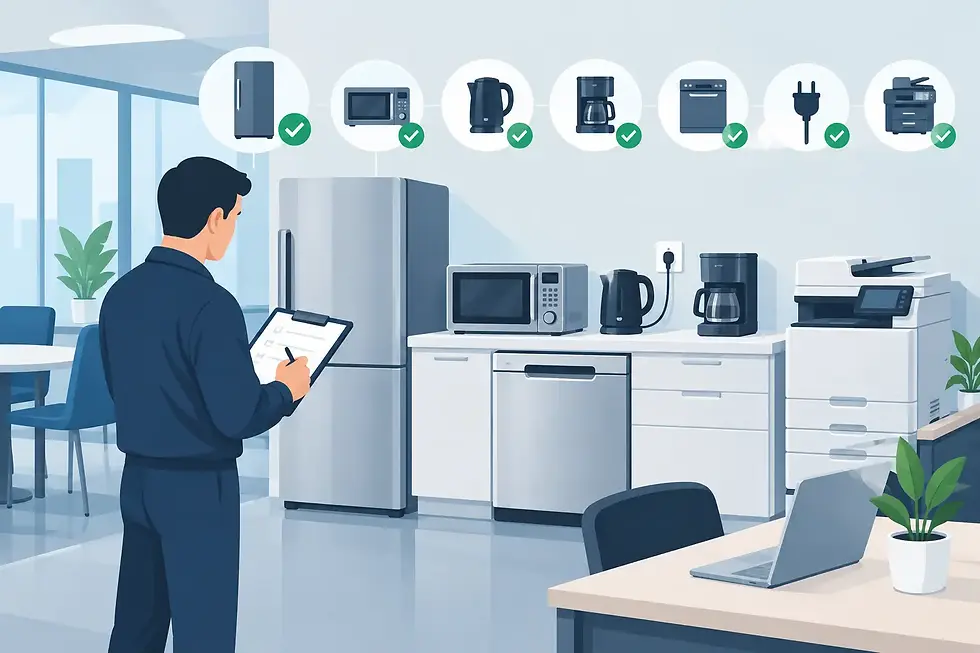
A useful rule is this: if you provide it and it plugs in, it is worth considering. Common examples include kitchen appliances, floor and table lamps, televisions, extension leads, portable radiators, fans and cleaning equipment left for tenant use.
Some fixed appliances may fall outside PAT testing because they are not considered portable in the usual sense, but they may still need inspection as part of general electrical safety management. The exact scope depends on the item and how it is installed.
This is one reason landlords often prefer a qualified provider who can assess the appliances on site and explain clearly what should and should not be included. You do not need a technical lecture. You need a sensible testing schedule and paperwork you can actually use.
How often should PAT testing for landlords be done?
There is no one-size-fits-all interval. The right frequency depends on the type of property, the kinds of appliances supplied, how heavily they are used and how often tenants change.
For example, a short-let or HMO with regular changeovers may justify more frequent checks than a long-term tenancy where appliances remain in steady use and are looked after well. Likewise, equipment that is more likely to suffer wear and tear, such as extension leads or portable heaters, may need closer attention than a rarely used lamp.
What matters is that your approach is reasonable and documented. Testing too often can create unnecessary cost. Testing too rarely can leave you exposed. A practical provider should help you find the middle ground based on the property, not push a one-rule-fits-all service.
What landlords should expect from a professional PAT testing service
A proper PAT testing visit should be efficient, clearly recorded and easy to work around. The appliances should be inspected and tested where appropriate, then logged with straightforward results. Failed items should be clearly identified so you know what action is needed.
Good reporting makes a real difference. If your report is full of codes and technical wording, it creates more admin rather than less. Landlords and managing agents usually need clear pass or fail outcomes, asset identification where relevant, and certification that can be kept on file for compliance and insurance purposes.
Labelling can also help, especially in furnished properties or larger portfolios. A branded test label with the result and date makes it easier to identify what has been checked and when. It is a small detail, but it helps keep records practical on site.
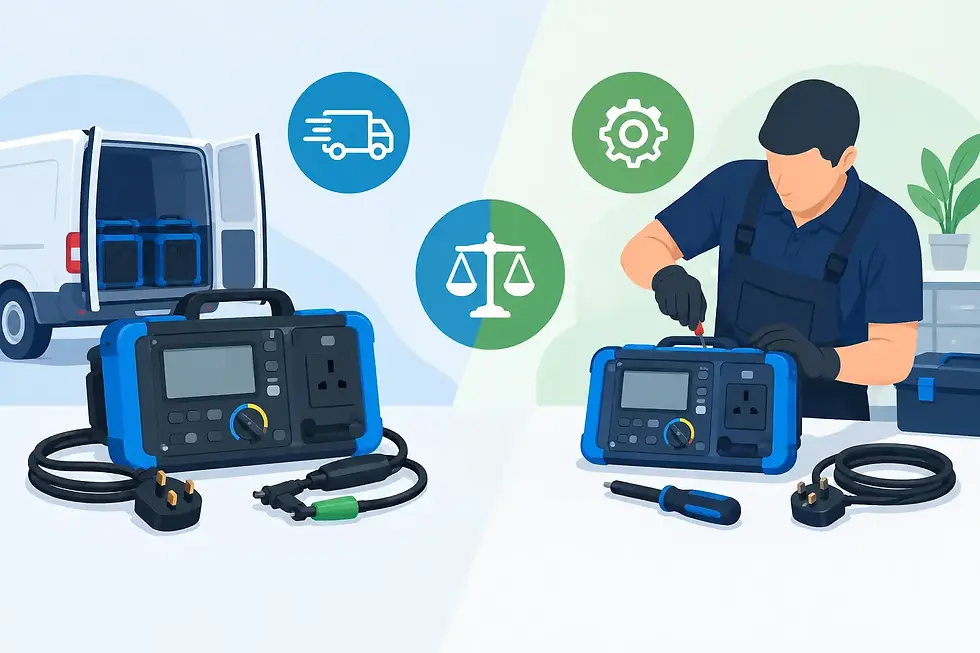
Flexibility matters too. Landlords and agents often need access arranged around tenants, maintenance visits or changeover dates. A provider that can work efficiently and minimise disruption is usually worth more than the cheapest quote on paper.
Common mistakes landlords make
One common mistake is assuming an EICR covers everything. It does not. An Electrical Installation Condition Report focuses on the fixed electrical installation of the property, such as wiring, sockets and consumer units. PAT testing deals with portable appliances supplied by the landlord. Both matter, but they are not the same thing.
Another mistake is forgetting lower-value items. A cheap extension lead or bedside lamp may seem insignificant, but if you supplied it, it still forms part of the overall safety picture.
Some landlords also replace appliances after a failure without updating records. Replacing a failed item is sensible, but keeping no note of what was removed and what was added leaves a gap in your paperwork. Good record-keeping should reflect changes clearly.
Finally, there is the issue of delay. It is easy to leave testing until a new tenancy is about to begin, especially if you are juggling inventories, cleaning and maintenance. The problem is that rushed compliance checks often lead to missed items and avoidable stress.
PAT testing for landlords with multiple properties
If you manage several properties, consistency becomes more valuable than ever. A simple, repeatable process helps you track which appliances are in each property, when they were checked and what action was needed. That is especially useful for letting agents, portfolio landlords and HMOs where appliance numbers can add up quickly.
This is where a reliable service partner can save more than just engineer time. Clear reporting, renewal reminders and a straightforward booking process reduce the administrative burden. For many landlords, that is the real benefit. The testing itself is only part of the job. Staying organised afterwards is what keeps compliance manageable.
For landlords in places such as Basingstoke, Reading, Fleet and Farnborough, local support can also make access and scheduling easier, particularly when tenant appointments need to be arranged without holding up move-ins or maintenance work.
Making the process simple
PAT testing does not need to be overcomplicated. If you supply portable electrical appliances, the sensible approach is to have them inspected and tested at suitable intervals, keep clear records and act promptly on anything that fails. That protects tenants, supports your responsibilities as a landlord and gives you something solid to rely on if questions are ever raised.
The best compliance processes are the ones that get done properly without creating extra hassle. If your testing is clear, documented and easy to keep on top of, you are far less likely to be caught out later.
Comments