

PAT Technician Qualifications: What to Check

A PAT test label may only take seconds to apply, but the judgement behind it matters. PAT technician qualifications are one of the clearest signs that the person testing your equipment understands what they are looking for, how to use the test equipment correctly and when an appliance needs further attention.
For a business, school, charity or landlord, the aim is not simply to collect a certificate. You need a competent service that helps you maintain safe equipment, keep useful records and avoid unnecessary disruption to your day.
What PAT technician qualifications should show
There is no single legal licence that every PAT tester must hold. UK health and safety law instead requires work on electrical systems to be carried out by someone who is competent to do it safely. That applies to portable appliance testing as much as any other electrical work.
In practice, a qualified PAT technician should have recognised training in the inspection and testing of electrical equipment. Many professional testers hold a relevant City & Guilds PAT testing qualification, often from the 2377 qualification family. Course names and modules can change over time, so the important point is not the number on a certificate alone. It is whether the training covers the work they are being asked to carry out.
A suitable qualification should support a technician's understanding of visual inspection, electrical test procedures, appliance classification, test limits, labelling and record keeping. They should also understand the limits of PAT testing. A tester is not there to make assumptions or repair equipment beyond their competence.
Qualification is part of competence, not the whole picture
A certificate is a good starting point, but it does not automatically make someone competent in every setting. Competence comes from training, practical experience, up-to-date knowledge and the ability to make sensible decisions when something is unusual.
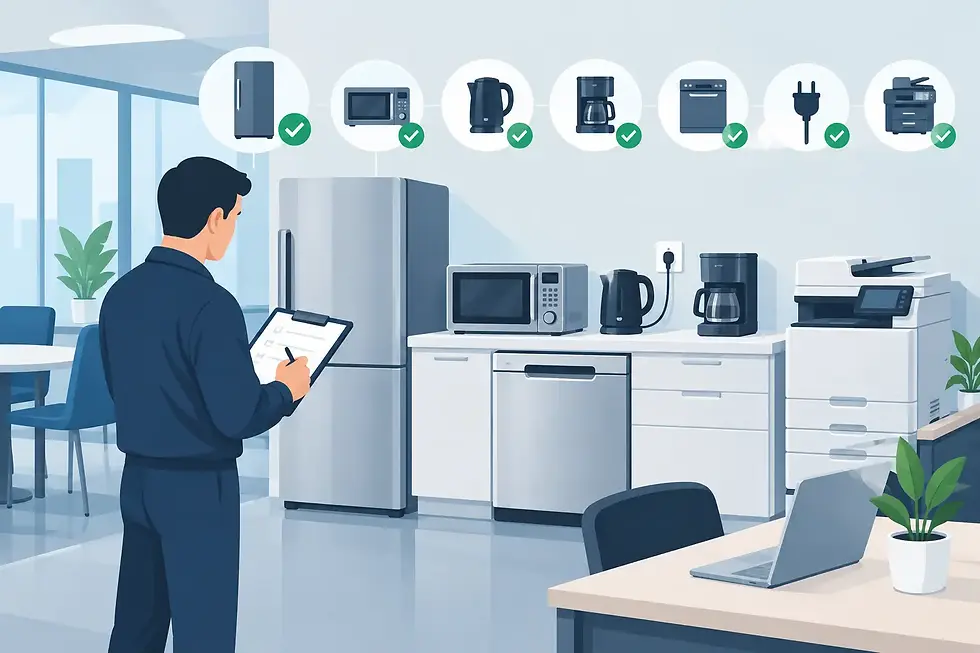
For example, an office full of standard IT equipment is different from a workshop with extension leads, chargers, power tools and equipment exposed to dust or heavy use. A healthcare practice, school or community venue may have its own patterns of use and safeguarding considerations. The technician should be able to adjust their approach to the environment rather than treating every appliance as identical.
An electrician may have extensive electrical knowledge, but that does not necessarily mean they have received specific PAT testing training. Equally, a trained PAT technician should know when an issue needs an electrician or another specialist. That clear boundary is a sign of professional judgement.
Why PAT technician qualifications matter to your records
PAT testing is not a standalone legal requirement with one fixed timetable for every workplace. Employers and duty holders are required to maintain electrical equipment so that it does not present danger. Inspection and testing are practical ways to meet that duty, alongside sensible purchasing, user checks and prompt repairs.
This is why the quality of the work and documentation matters. If you are asked by an insurer, auditor, managing agent or internal compliance team for evidence, a vague list of passed items is not particularly helpful. A properly qualified technician should provide records that clearly identify the appliance, its location or asset reference, the test result and any faults found.
Good reporting also makes follow-up easier. You should be able to see which items failed, why they failed and what action is needed. A failed plug, damaged lead or exposed wiring should be described in plain English, not hidden behind technical codes that leave you guessing.
For many organisations, branded labels, a clear certificate and an organised asset report save time at renewal. They help facilities teams identify equipment, show that a testing programme has been completed and avoid rebuilding records from scratch each year.
What a competent PAT tester does on site
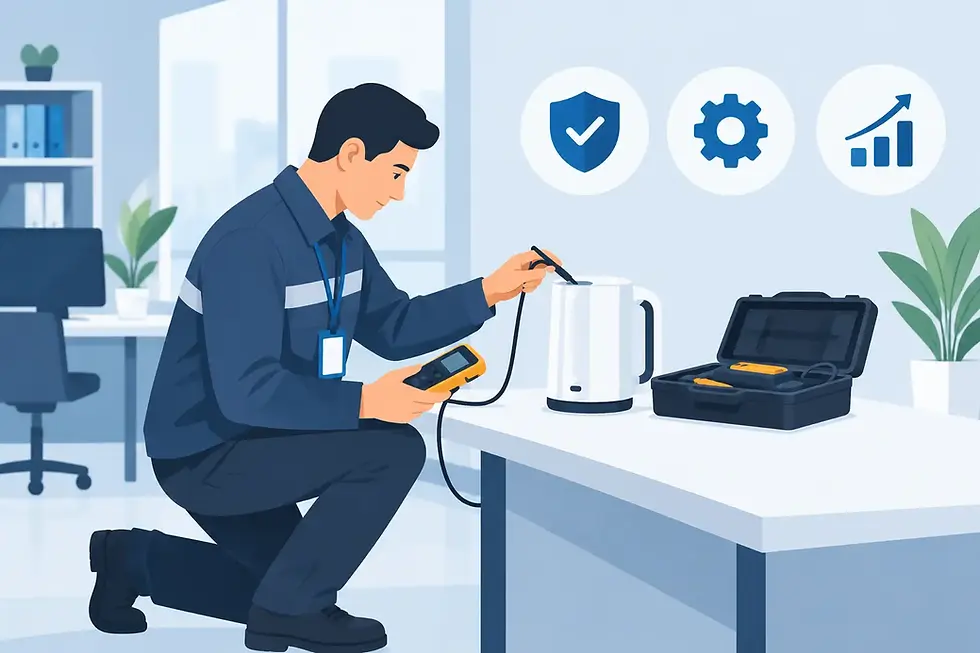
The most useful PAT testing is not just a sequence of machine readings. It begins with a visual inspection, because many faults can be found before an electrical test is carried out. Damaged plugs, loose cable grips, cracked casings, worn leads and unsuitable extension arrangements are all examples of problems that may be visible.
The technician then selects the appropriate test for the appliance. Different equipment needs different treatment. A metal-bodied appliance may require an earth continuity test, while a double-insulated item is assessed differently. Some modern electronic equipment must be tested with care to avoid inappropriate procedures or false results.
A competent tester will also know when equipment should be isolated from use. If an item is unsafe, it should be clearly identified and reported so that it is not put back into service by mistake. This is especially relevant in busy shared workplaces, where equipment can quickly move between rooms or users.
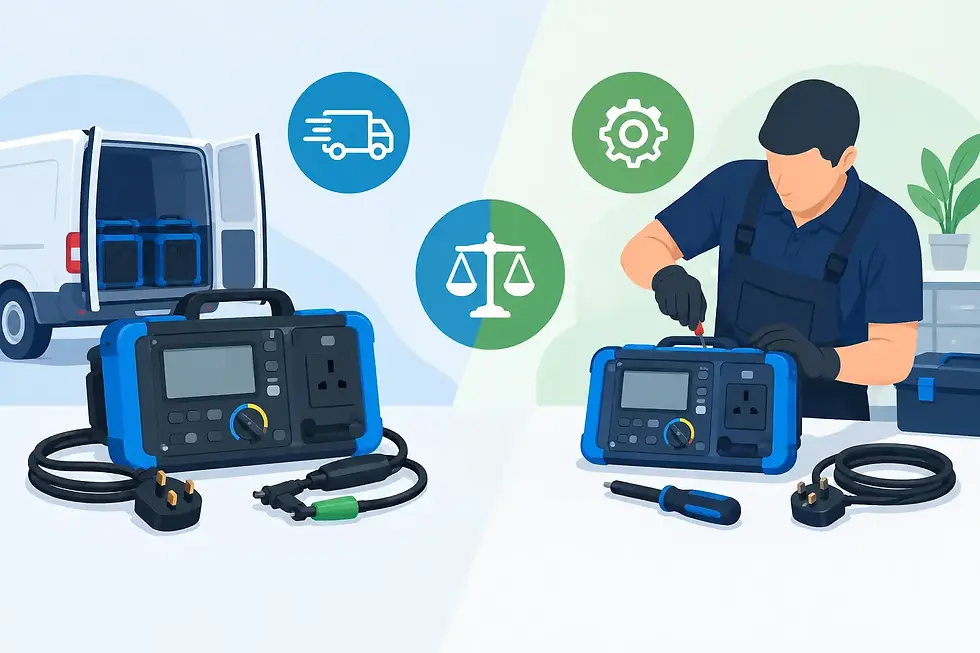
Test equipment matters too. Professional PAT instruments should be suitable for the work, correctly maintained and supported by calibration arrangements. The tester should be able to explain their process without turning it into a technical lecture.
Questions worth asking before you book
You do not need to interview a PAT tester like a technical assessor. A few practical questions will usually tell you whether the service is well organised.
Ask what PAT testing training or qualification the technician holds, whether they carry public liability insurance and what documentation you will receive afterwards. It is also reasonable to ask how failed items are labelled, how they manage equipment that cannot be switched off during the visit and whether they can work outside normal hours.
For offices, clinics, schools and customer-facing premises, timing can be as important as the test itself. A provider who plans around your operating hours can reduce interruptions to staff and visitors. If you have a large site or several locations, ask how appliances will be identified and whether the report can be organised by room, department or asset number.
Price should be clear, but the cheapest quote is not always the best value. A very low per-item price may not include a useful report, replacement plugs, re-tests or the time needed to deal with more complex equipment. Compare what is included, not just the headline figure.
The right testing interval depends on risk
Another sign of a knowledgeable provider is that they do not promise one testing frequency for every appliance. Test intervals should reflect risk. Equipment that is regularly moved, used by many people or exposed to tougher conditions may need more frequent inspection than a fixed computer monitor in a low-risk office.
The type of appliance, its age, how it is used and the environment all affect the decision. User checks and visual inspections can also form part of a proportionate maintenance plan. A qualified technician can help you set sensible intervals, but the duty holder remains responsible for deciding how electrical safety is managed on site.
A pass result is evidence that the appliance met the relevant checks at that time. It does not mean it can be ignored until the next visit. Staff should still report damaged leads, overheating, loose plugs or other changes as soon as they notice them.
Choosing a local service you can rely on
When you book PAT testing, look for a provider that combines recognised training with practical organisation. You should receive a clear explanation of the work, easy-to-read results and a straightforward route for arranging the next test when it is due.
Pax Animi PAT Testing provides qualified testing, full reporting and flexible appointments for organisations across Basingstoke and the surrounding area. The focus is on making electrical safety records easier to manage, without adding unnecessary jargon or disruption.
The best question is not simply whether a tester has a certificate. Ask whether they can carry out the work carefully, explain the result clearly and leave you with records that make your responsibilities easier to manage. That is the standard worth choosing.
Comments