
Newbury PAT Testing for Safer Workplaces

A damaged plug, loose cable or overloaded extension lead can be easy to miss during a busy working day. Newbury PAT testing gives organisations a practical way to identify these faults, keep accurate safety records and show that electrical equipment is being properly maintained.
For offices, shops, schools, workshops, landlords and community organisations, the aim is not to create more paperwork. It is to make electrical safety manageable, with testing arranged around your operations and results explained clearly.
What Newbury PAT Testing Covers
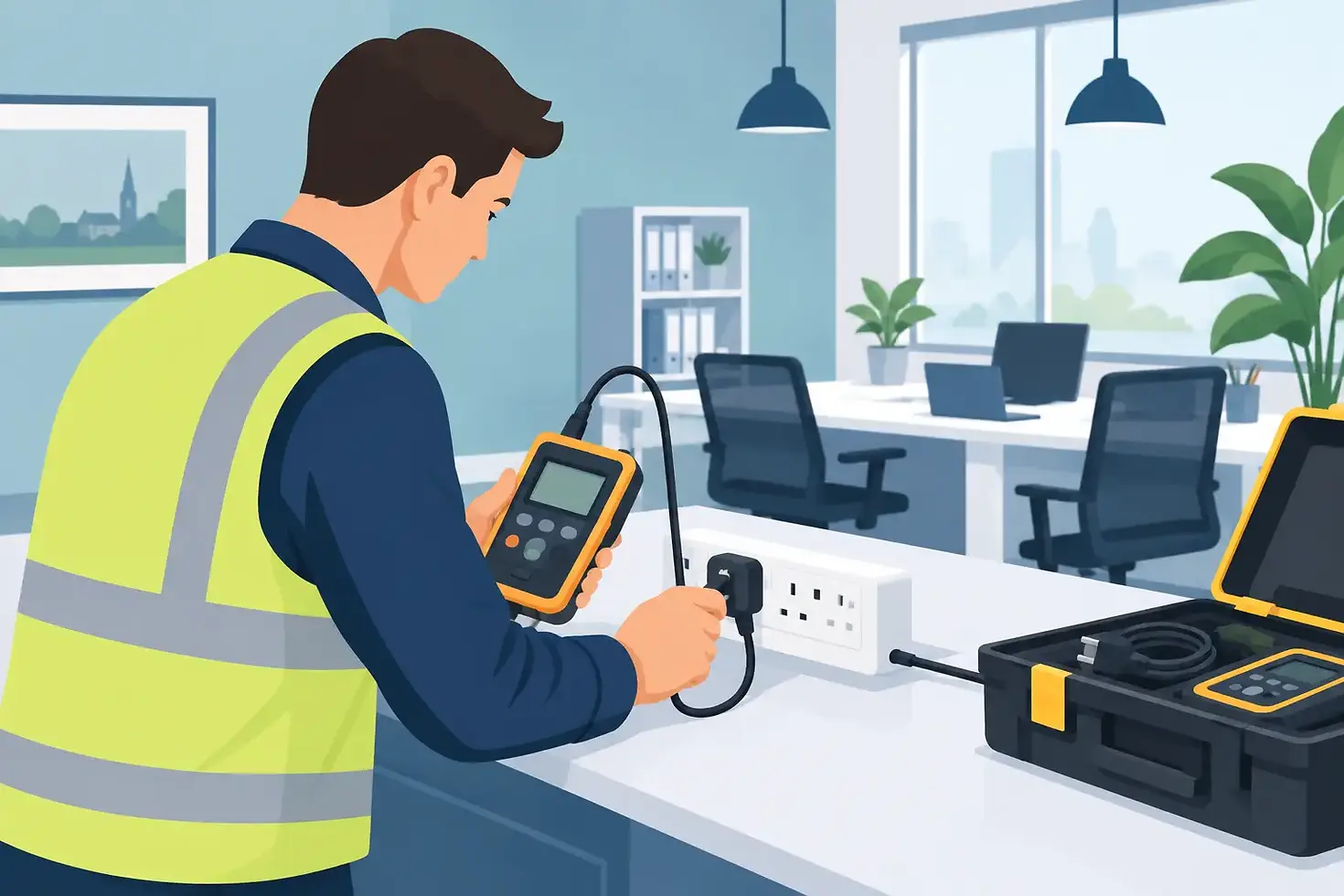
PAT stands for Portable Appliance Testing. It is the process of inspecting and, where appropriate, electrically testing appliances that plug into a mains supply or are connected by a lead. A qualified technician will normally begin with a visual inspection, as many issues can be identified without switching on a tester.
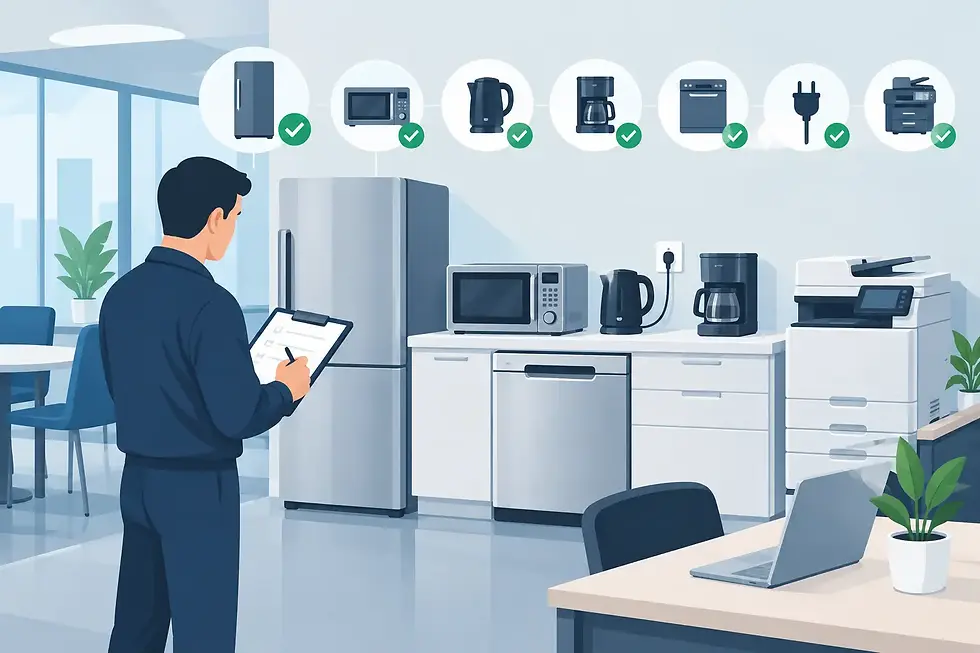
Typical items include computers and monitors, kettles, microwaves, printers, extension leads, chargers, power tools, cleaning equipment and portable heaters. Equipment owned by employees can also matter, particularly where it is used regularly at work or brought into a shared workplace.
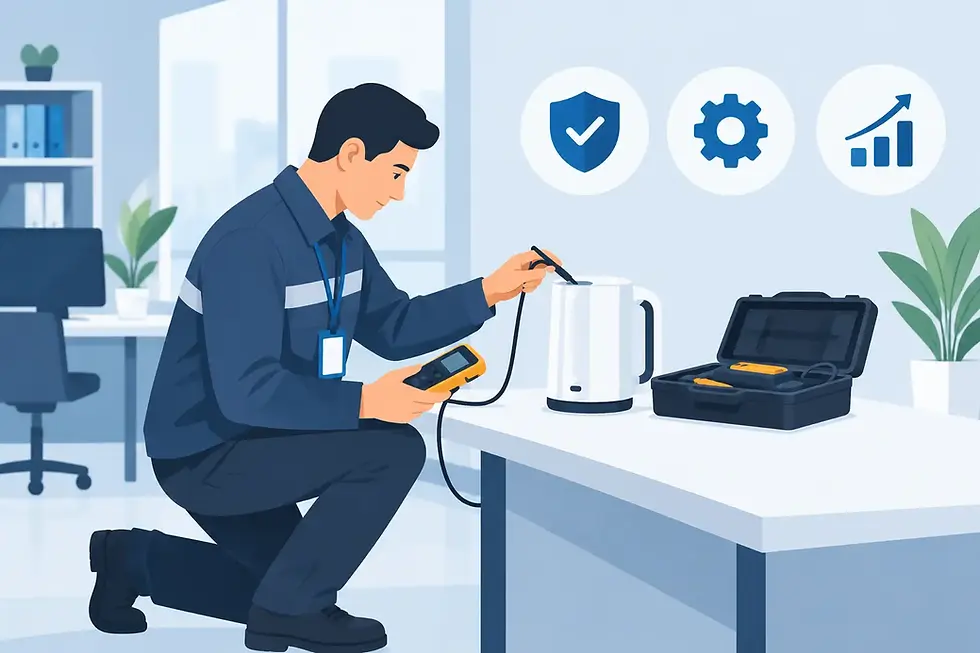
The test itself checks whether an appliance is safe to remain in service. Depending on the equipment, this may include earth continuity, insulation resistance and polarity checks. Each item is labelled with its result, then recorded in a report or certificate for your records.
A pass label is useful for staff and visitors, but the documentation behind it is equally valuable. It gives you a clear asset record, identifies any failures and supports internal safety procedures, insurance enquiries and audits.
Is PAT Testing a Legal Requirement?
There is no single law that says every appliance must receive a PAT test once a year. That point is often misunderstood. However, businesses and duty holders do have a legal responsibility to keep electrical equipment safe, and regular inspection and testing is one sensible way to meet that responsibility.
The right approach depends on the type of equipment, where it is used and how likely it is to be damaged. A desktop computer in a low-risk office is not exposed to the same conditions as a drill on a building site, a hairdryer in a salon or a catering appliance in a busy kitchen.
This is why a fixed annual schedule is not always the best answer. Many organisations choose annual testing because it is simple to manage and keeps records current. Higher-risk or heavily used equipment may need more frequent checks, while some low-risk items may be suitable for a longer interval alongside regular visual inspections. A competent tester can help set a proportionate schedule rather than applying a one-size-fits-all rule.
When Should Your Equipment Be Tested?
If your records are out of date, you have moved premises, bought a large amount of equipment or cannot easily identify which items have been checked, it is a good time to arrange testing. New businesses and organisations taking on a lease may also benefit from starting with a clear equipment register.
Certain changes should prompt an earlier inspection. These include equipment that has been dropped, exposed to water, repaired, modified or used in a harsher environment than usual. Staff should also know to remove an appliance from use if they notice a cracked casing, damaged lead, loose plug, scorch marks or an unusual smell.
PAT testing does not replace everyday care. A quick visual check before use remains one of the most effective safety habits, especially for leads, extension blocks and portable tools. Testing works best as part of a wider routine: buy suitable equipment, use it correctly, deal with damage promptly and retain clear records.
Keeping Disruption to a Minimum
A well-planned visit should fit around the working day rather than bring it to a halt. Before an appointment, it helps to identify the rooms, departments or areas to be covered and let staff know that equipment may need to be briefly switched off or unplugged.
For a typical office, appliances can often be tested desk by desk with only short interruptions. In a school, healthcare setting, retail space or workshop, the order of work can be arranged around opening times, lessons, appointments or production activity. Out-of-hours appointments can be particularly useful where equipment must remain available during the day.
It is also worth deciding how to handle equipment that fails. An item with a straightforward fault, such as a damaged plug top or fuse, may sometimes be repaired where appropriate. Other appliances will need to be removed from service until repaired or replaced. Clear failure labels and a plain-English report help staff act quickly without uncertainty.
What Good PAT Testing Records Look Like
A certificate alone can be difficult to use if it does not tell you what has been tested or what needs attention. Good reporting should be easy to read and provide enough detail for someone else in the organisation to manage the next steps.
Your records should show the appliance description, location, asset or identification number, test date and result. Failed items should be clearly identified, with a reason for failure where possible. Branded appliance labels can make it easier to match equipment to the report during day-to-day checks.
For organisations with several rooms, sites or responsible people, this level of detail saves time later. It avoids the common problem of trying to work out whether an unlabelled extension lead was tested last year, or whether a failed item was actually taken out of use.
Keep the report and certificate somewhere accessible to the person responsible for facilities, health and safety or administration. If responsibilities change, those records should move with the role rather than remaining in an old inbox.
Choosing a PAT Testing Provider in Newbury
Price matters, but the cheapest quote is not necessarily the best value if the process is rushed or the records are unclear. Look for a provider that can explain what is included, works carefully around your premises and provides proper documentation after the visit.
It is reasonable to ask about qualifications, public liability insurance, availability and how failed appliances are recorded. You may also want to check whether the provider can test at a time that suits your organisation, rather than expecting staff or customers to work around the appointment.
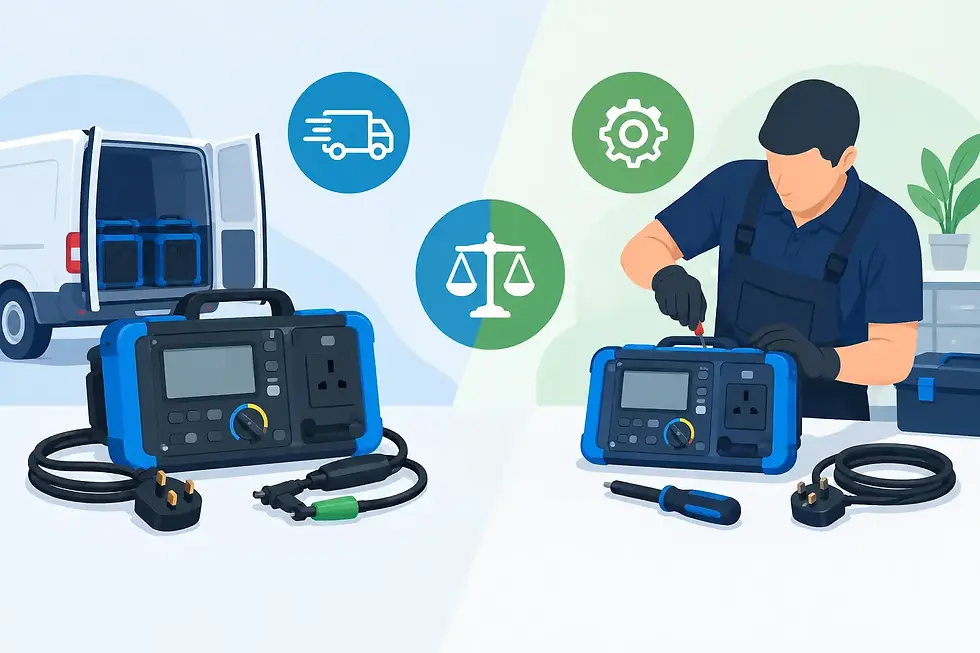
For businesses with a mixed range of equipment, experience matters. An office with IT equipment has different practical needs from a garage, village hall or rental property. The testing principles remain the same, but the plan, test frequency and way the visit is organised should reflect the environment.
Pax Animi PAT Testing provides qualified testing across Newbury and the surrounding area, with clear reports, certification, appliance labelling and flexible appointments designed to reduce disruption. A free, no-obligation quotation gives you a straightforward starting point, whether you need a first full test or a reliable renewal process.
A Simple Way to Stay on Top of Electrical Safety
The easiest organisations to manage are usually those that treat testing as a planned maintenance task rather than an urgent job before an inspection or insurance renewal. Keep an up-to-date list of portable appliances, remove visibly damaged items from use, and set a reminder before your next due date.
If you are unsure what needs testing or how often, start with the equipment people use every day. A short conversation and a clear inventory can turn an unclear obligation into a manageable safety routine - leaving your team free to focus on their work.
Comments