

Formal Visual Inspection vs PAT Testing Explained

A cracked plug, loose cable or damaged extension lead can often be spotted before an electrical tester is switched on. That is why formal visual inspection vs PAT testing is not an either-or decision for most workplaces. They are different parts of a sensible electrical safety process, and both help you identify equipment that should not remain in use.
For a busy office, school, workshop, practice or rented property, the aim is straightforward: keep portable electrical equipment safe, maintain clear records and avoid unnecessary disruption. Knowing what each check involves makes it much easier to set the right inspection routine.
What is a formal visual inspection?
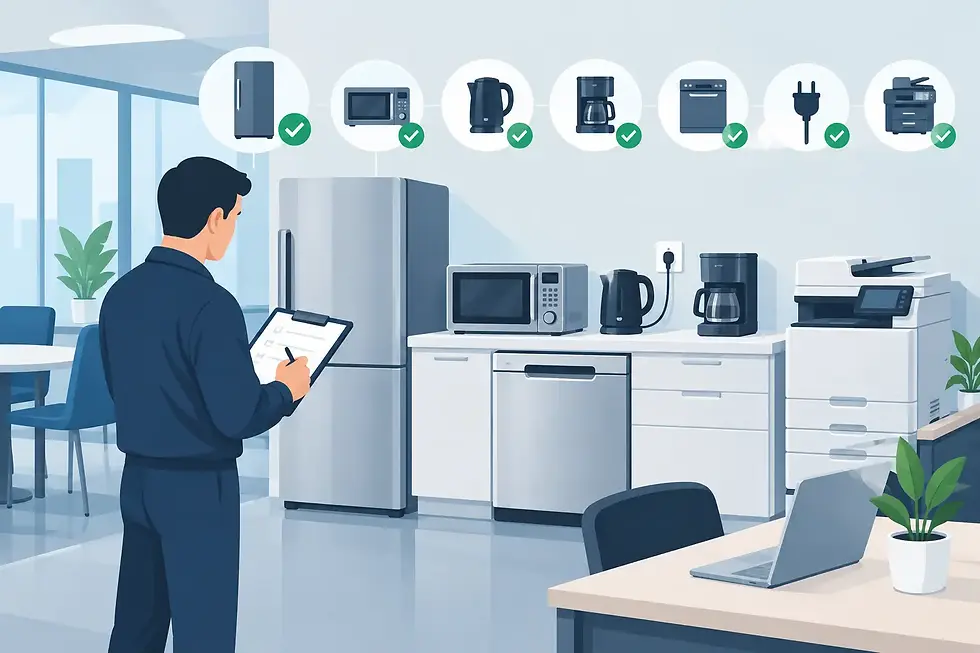
A formal visual inspection is a documented, close examination of an appliance and its cable, plug and accessible parts. It is more thorough than a quick glance by a member of staff, although it does not normally involve opening the plug or using electrical test instruments.
The person carrying out the inspection looks for visible signs that the equipment could present a risk. This may include a damaged plug, exposed inner wires, loose cable grips, burn marks, cracked casing, makeshift repairs or a cable trapped under furniture. They should also check that the appliance appears suitable for its environment and is being used correctly.
A formal visual inspection is particularly useful because many faults are visible. A kettle with a split flex or a laptop charger with a bent plug needs attention regardless of whether its electrical readings might otherwise appear acceptable.
The result should be recorded. A clear record identifies the appliance, the date checked, the outcome and any action taken. This gives the responsible person evidence that equipment is being monitored, rather than relying on memory or an informal walk-round.
What PAT testing adds
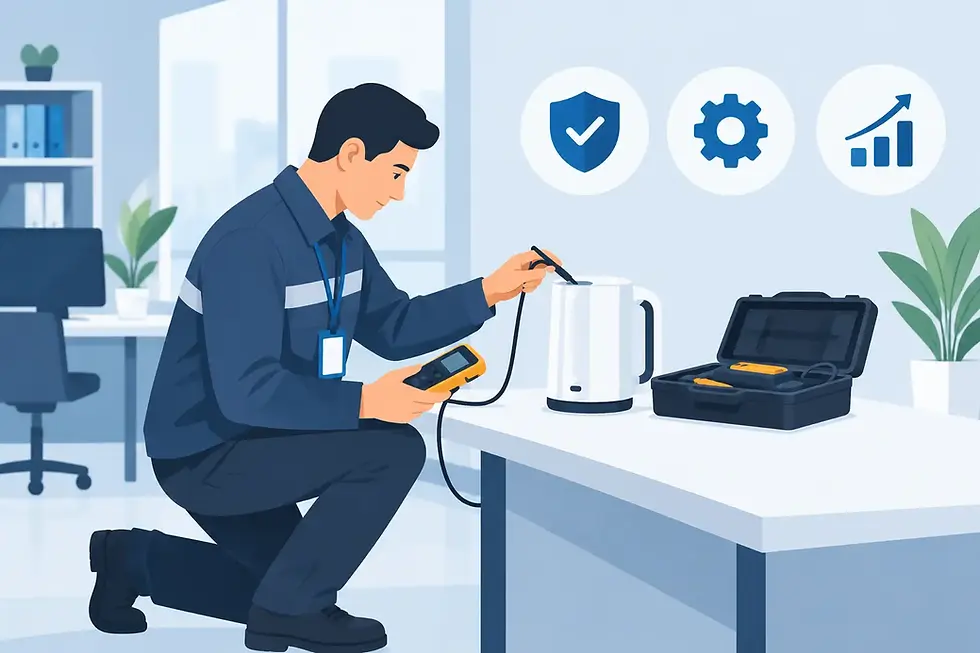
PAT testing, commonly called Portable Appliance Testing, usually combines a formal visual inspection with electrical tests. The tests are selected according to the appliance type and construction. They may check earth continuity, insulation resistance, polarity or other relevant electrical safety measures.
This matters because some faults cannot be seen. For example, damage inside a cable, a failing earth connection or deteriorating insulation may not be obvious from the outside. Testing can identify these hidden issues before they develop into a shock, fire or equipment failure risk.
A qualified PAT tester will first assess the item visually, then carry out the appropriate test using calibrated equipment. Appliances are generally labelled with a clear pass or fail result, while the final report records the details needed for your safety files, insurance records and future retesting plan.
PAT testing is not simply a machine producing a pass sticker. The value comes from the inspection, the correct choice of test, competent judgement and a report that makes the results easy to act on.
Formal visual inspection vs PAT testing: the key difference
The main difference is scope. A formal visual inspection finds visible damage and signs of unsuitable use. PAT testing includes that inspection but can also check electrical safety characteristics that cannot be assessed by sight alone.
Neither approach replaces day-to-day care. Staff should be encouraged to report obvious defects as soon as they see them. If a cable is frayed, a plug is damaged or an appliance becomes unusually hot, it should be taken out of service immediately. There is no need to wait for the next scheduled inspection.
A formal visual inspection may be suitable as a separate, regular control for lower-risk equipment in a calm office setting. PAT testing is often more appropriate where appliances are moved frequently, used by many people, exposed to tougher conditions or relied on for day-to-day operations.
For many organisations, the practical answer is a combination: routine user checks, planned formal visual inspections and periodic PAT testing based on risk.
Is PAT testing a legal requirement?
There is no UK law that says every portable appliance must be PAT tested annually. However, employers, landlords and duty holders have responsibilities to maintain electrical equipment so that it is safe to use. The Electricity at Work Regulations 1989 require systems to be maintained where necessary to prevent danger.
PAT testing is a recognised way of supporting that duty, but it should form part of a proportionate maintenance plan rather than a one-size-fits-all annual exercise. What is reasonable depends on the equipment, where it is used, how often it is moved and who uses it.
A desktop computer in a well-managed office does not face the same level of wear as a power tool on a building site, a cleaning machine in a busy school or a hairdryer in guest accommodation. Higher-risk environments and frequently handled equipment normally need closer attention.
Good records are essential. If you are asked to demonstrate how electrical safety is managed, a professional report can show which items were inspected, the outcome, any failures and the action taken. It is much more useful than a collection of stickers with no supporting information.
How often should appliances be checked?
Inspection intervals should be set through risk assessment. Consider the appliance itself, the working environment, the likelihood of damage, how often it is moved and the experience of the people using it.
Equipment used in a workshop, kitchen, care setting, school or public area may need more frequent checks than equipment kept in a single office location. Extension leads, chargers and portable heaters deserve particular attention because they are often moved, unplugged and subject to wear.
Your insurer, client contract, internal policy or industry guidance may also set expectations. These should be considered alongside the actual risk, not used as a substitute for judgement.
A competent PAT testing provider can help you establish sensible intervals and avoid testing more often than necessary. This keeps costs proportionate while ensuring higher-risk equipment is not overlooked.
What happens when an appliance fails?
A failed item should be removed from use straight away and clearly identified so it is not plugged back in by mistake. The next step depends on the fault. Some issues, such as a damaged plug top or fuse, may be straightforward to repair. Others require replacement or assessment by a suitably competent repairer.
The failure should remain on the report, together with the action taken. This creates an audit trail and helps spot recurring problems. If several extension leads are failing in the same area, for example, it may point to unsuitable use, storage or staff awareness rather than isolated bad luck.
It is also worth remembering that a pass result does not mean an appliance can be ignored until the next test date. Equipment can be damaged at any time. Everyday checks and prompt reporting remain the first line of defence.
Choosing a practical testing service
A useful PAT testing service should fit around your organisation, not force you to pause operations unnecessarily. Before booking, check that the provider can explain the process in plain English, supply a full report and certificate, label appliances clearly and agree a schedule that suits your premises.
Out-of-hours appointments can be particularly helpful for offices, schools, clinics and customer-facing businesses that cannot easily accommodate testing during normal working hours. It is also sensible to confirm that the tester is qualified, insured and able to advise on failed items without confusing technical jargon.
For organisations across Basingstoke, Reading, Fleet and the surrounding area, Pax Animi PAT Testing provides qualified testing, clear reporting and flexible appointments designed to keep the process manageable.
Electrical safety works best when it becomes a routine part of looking after your premises. A clear inspection plan, sensible testing intervals and records you can understand will give you far more confidence than simply chasing the next sticker date.
Comments