
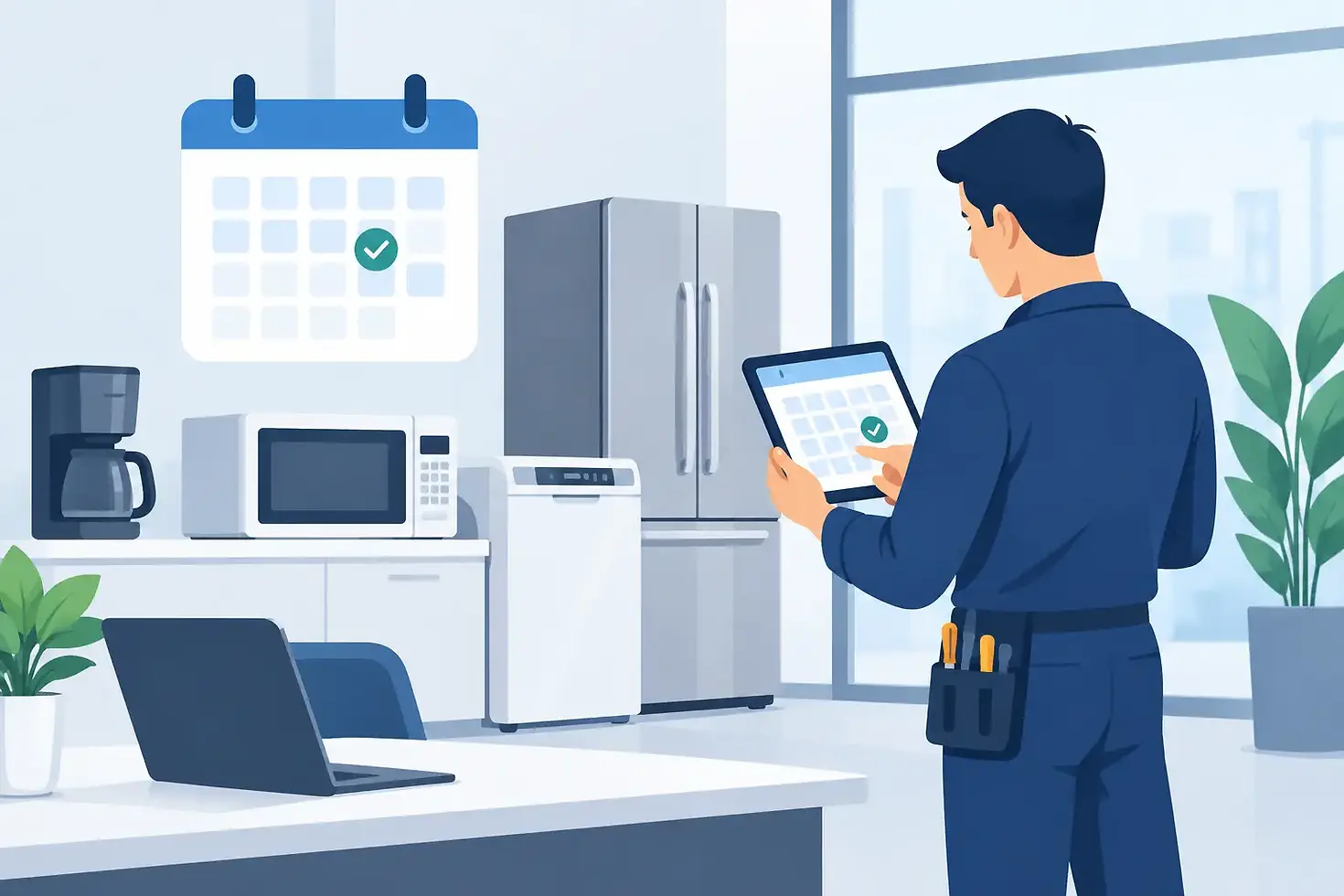
How to Schedule Appliance Testing at Work

A missed testing date can quickly become an administrative headache: equipment lists are out of date, staff are unsure what needs checking, and an audit or insurance query arrives at the worst possible moment. Knowing how to schedule appliance testing properly means putting a simple, repeatable process in place that protects people, keeps records current and avoids unnecessary disruption.
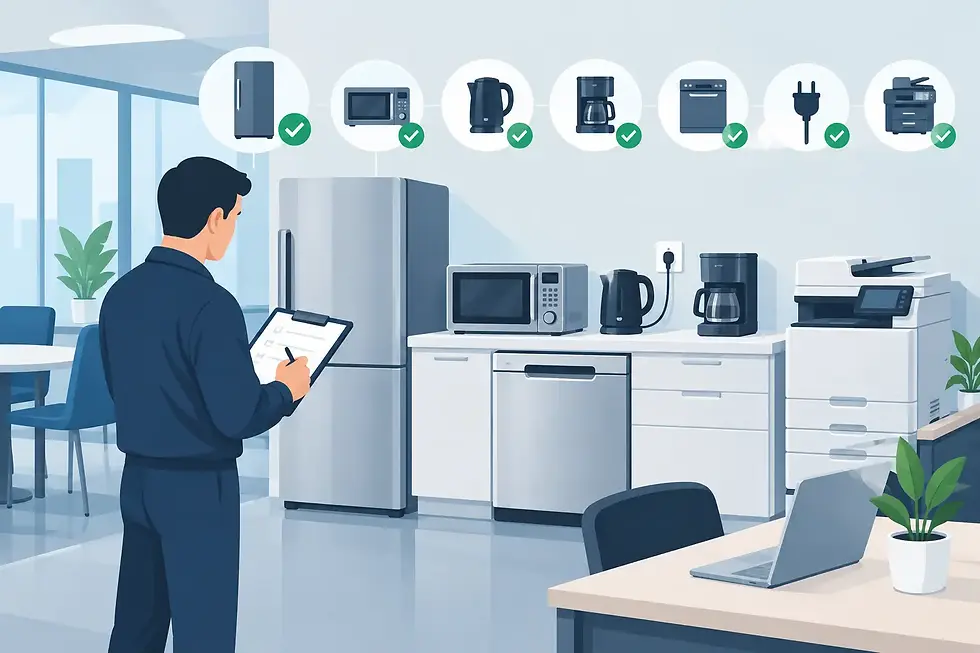
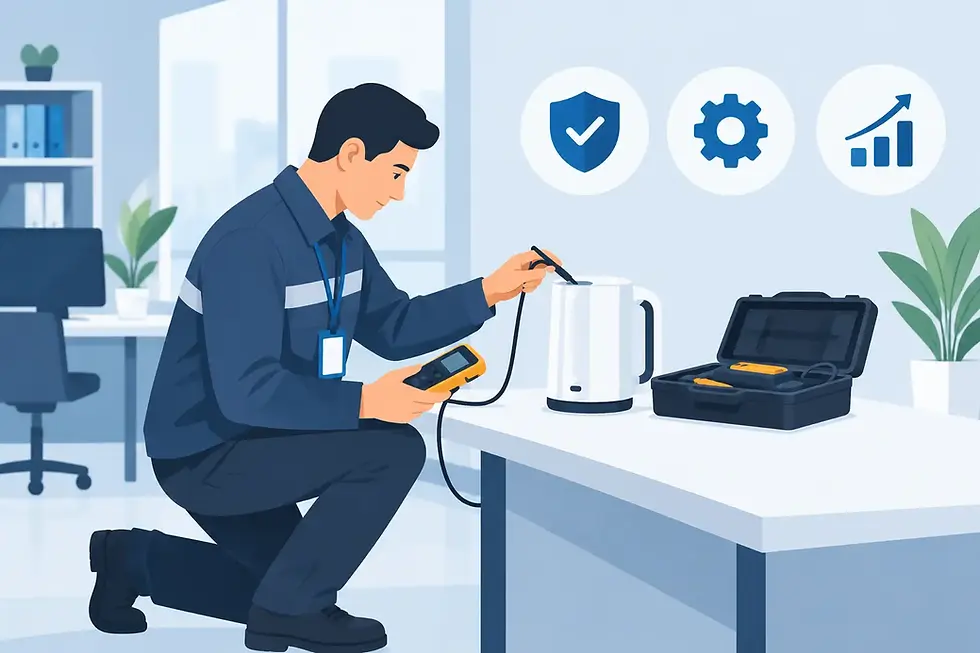
For most workplaces, appliance testing refers to Portable Appliance Testing (PAT). It covers the routine inspection and, where appropriate, electrical testing of portable equipment such as kettles, computers, extension leads, chargers, power tools and cleaning equipment. The aim is practical electrical safety, not paperwork for its own sake.
Start with a realistic testing plan
The right testing schedule depends on the equipment, where it is used and how it is treated. A kettle used occasionally in a quiet office does not face the same level of risk as a power tool used every day on a workshop floor. Equipment used outdoors, moved frequently or handled by the public may also need closer attention.
There is no single annual PAT testing rule that applies to every appliance and every workplace. Employers, landlords and duty holders must maintain electrical equipment in a safe condition, but the appropriate inspection and testing frequency should be based on risk. A qualified PAT tester can help you set sensible intervals rather than testing everything more often than necessary.
Begin by reviewing your current appliance register, if you have one. If you do not, that is not a problem. A first visit can establish a clear inventory of the portable electrical equipment on site. Include staff-owned equipment that is used for work, as well as items supplied by the organisation.
Choose a date that limits disruption
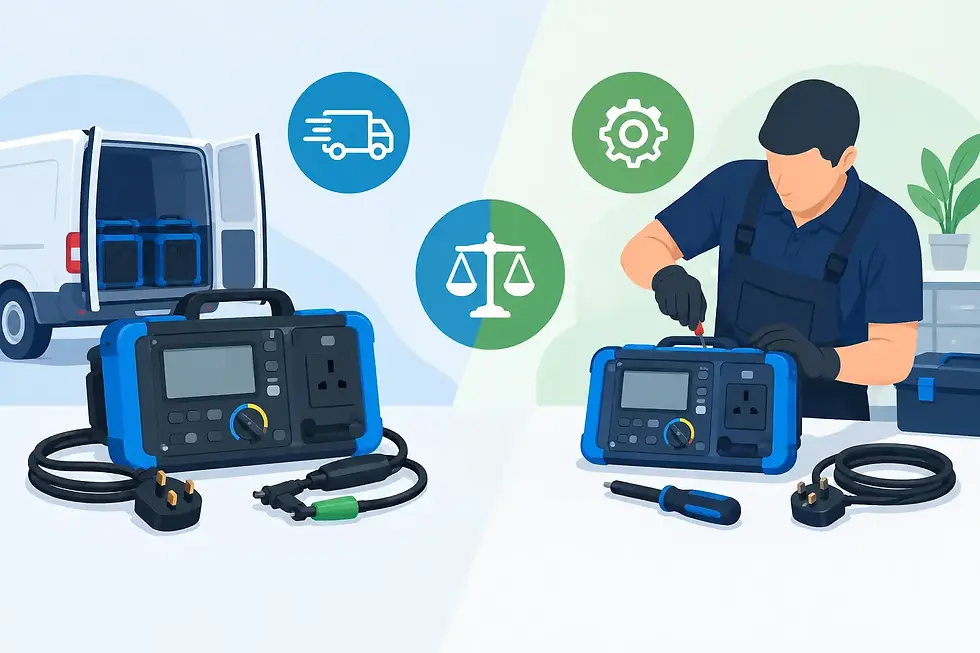
The best appointment is one that fits the way your site actually operates. For a small office, testing during normal working hours may be straightforward if staff can briefly unplug equipment when asked. A busy clinic, school, workshop or customer-facing premises may need an early morning, evening or weekend slot instead.
When booking, explain your opening hours, busy periods and any areas that cannot be accessed at certain times. This allows the tester to plan the visit around your operation, rather than expecting your operation to stop around the visit. Out-of-hours appointments can be particularly useful where downtime would inconvenience staff, visitors or customers.
It also helps to consider seasonal changes. A school may prefer testing during a holiday period, while an office may find a quieter day during annual leave more convenient. If your business is relocating, refurbishing or opening a new site, arranging testing before equipment is put back into regular use can make the move easier to manage.
Allow enough time for the size of the job
A small office with a modest number of appliances may be completed quickly. A multi-room site, workshop or organisation with several hundred items will need more planning. The number of appliances is not the only factor: access, equipment locations and whether devices can be unplugged all affect how long testing takes.
A good provider should ask practical questions before giving a quotation. For example, they may ask for an approximate appliance count, the type of premises, whether there are multiple floors and whether extension leads or equipment under desks need testing. A clear estimate helps you reserve the right amount of time and inform the right people.
Prepare your workplace before the appointment
A little preparation makes appliance testing quicker and more efficient. You do not need to become an electrical expert, but it is worth letting staff know the date and asking them to make equipment accessible. If possible, identify items stored in cupboards, meeting rooms, kitchen areas, plant rooms or shared workspaces.
Make sure the tester can reach appliances safely. Desks do not need to be stripped bare, but cables buried behind filing cabinets or equipment locked away in a manager's office can cause delays. If equipment is used off site, such as laptops, chargers, tools or event equipment, arrange for it to be returned or agree how it will be dealt with separately.
Before the visit, consider these practical points:
Tell staff when testing will take place and what they need to leave available.
Nominate a contact who can provide access and answer site questions.
Identify equipment that must remain powered, such as servers, medical equipment or critical systems.
Gather items that are normally kept in storage, vehicles or remote rooms.
Remove from use any appliance that is visibly damaged, overheating or giving electric shocks, and report it straight away.
Critical equipment may need a different approach. Some appliances cannot simply be unplugged in the middle of the day, and some specialised equipment may require manufacturer guidance or a different inspection arrangement. Raise this at the booking stage so testing can be planned safely.
Ask what you will receive after testing
The label on an appliance is useful, but it is not the whole record. A proper PAT testing service should provide clear documentation showing what was tested, its result and any items that require attention. This is the information you may need for internal safety checks, insurance records, health and safety reviews or an audit.
Ask whether your report will include an appliance register, unique identification numbers, pass and fail results, the test date and the recommended retest date. Branded appliance labels can also make it easier for staff to see that equipment has been checked and identify an item in the report.
Just as importantly, the report should be understandable. If an item fails, you need to know what that means and what to do next. In many cases the issue may be straightforward, such as a damaged plug, a faulty lead or an appliance that should be removed from use. Jargon-free reporting helps you make a prompt decision without having to interpret technical codes.
Keep failed items out of circulation
If equipment fails testing, it should not be put straight back into use. The item should be clearly identified and removed until it has been repaired, replaced or assessed as safe by a suitable person. Keep the failure record alongside your other documentation, including the action taken.
A failed item does not automatically mean the whole workplace is unsafe. It does mean the individual appliance needs attention. Dealing with it promptly is one of the main benefits of a planned testing programme.
Build renewal dates into your routine
Once testing is complete, the next challenge is remembering when to book again. Relying on a note in one person's diary can work for a small site, but it becomes risky when staff change roles or a business has several locations.
Set a reminder well before the next due date, giving yourself enough time to choose an appointment that works. If your organisation has different equipment types with different risk levels, your schedule may include more than one review date. Keep the approach simple and documented, so another colleague can understand it if needed.
Renewal reminders from your testing provider can remove much of this admin. They are especially useful for facilities managers, landlords and office managers who already have several compliance tasks to track. The goal is not to test equipment because a date has arrived without question, but to maintain a sensible programme that reflects how your appliances are used.
How to schedule appliance testing with a local provider
When requesting a quotation, provide a rough appliance count and explain the type of premises, preferred dates and any access restrictions. You do not need a perfect list before making contact. An experienced local tester can guide you through the information needed and explain how the visit will work.
For organisations in Basingstoke, Reading, Fleet, Farnborough and nearby areas, choosing a responsive provider can make scheduling far easier. Look for qualified testing, appropriate liability insurance, clear reporting and flexible appointments. Competitive pricing matters, but so does knowing the job will be completed carefully and the paperwork will be available when you need it.
Pax Animi PAT Testing takes a practical approach to arranging visits, with free no-obligation quotations, flexible appointment options and clear certification after testing. That means less time chasing documents or trying to translate technical results, and more confidence that your records are in order.
A well-planned appliance testing appointment should feel like routine maintenance, not a disruption. Set a sensible interval, choose a time that works for your premises, prepare access and keep the report somewhere secure. With those steps in place, electrical safety becomes one less thing to worry about when the next review comes around.
Comments