

PAT Testing with Certificate Explained

When someone asks for pat testing with certificate, they are usually not asking for a technical lecture. They want a straightforward service that confirms their electrical appliances have been checked properly, recorded clearly, and backed up with the paperwork they may need for insurers, audits, landlords, staff records, or internal compliance.
That is really the value of the service. It is not just the test itself. It is the confidence that comes from knowing your equipment has been inspected by a qualified professional and that you have a clear record to show what was done, what passed, what failed, and what needs attention.
What does PAT testing with certificate actually include?
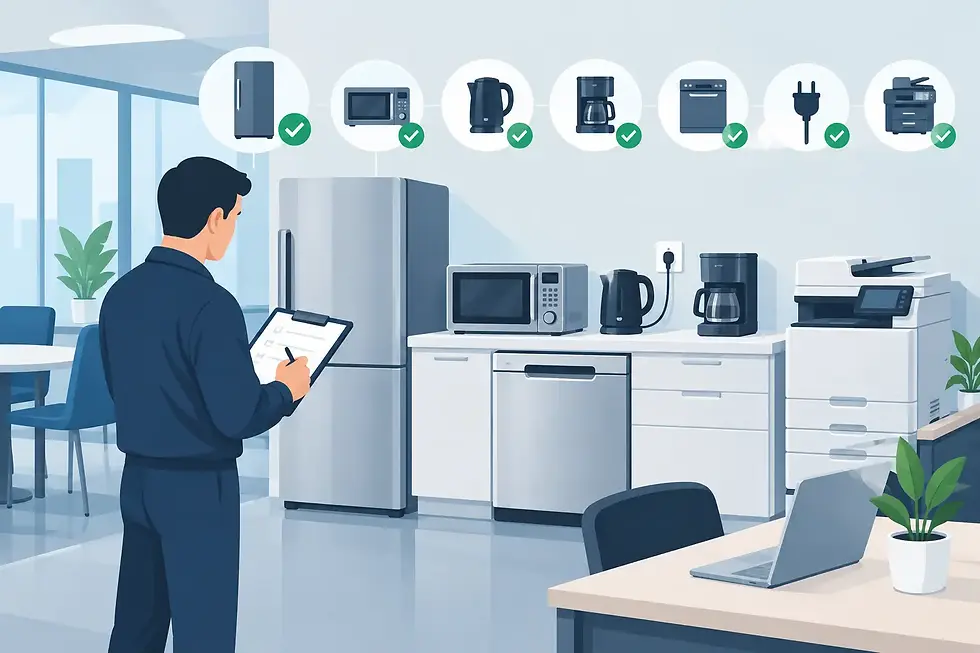
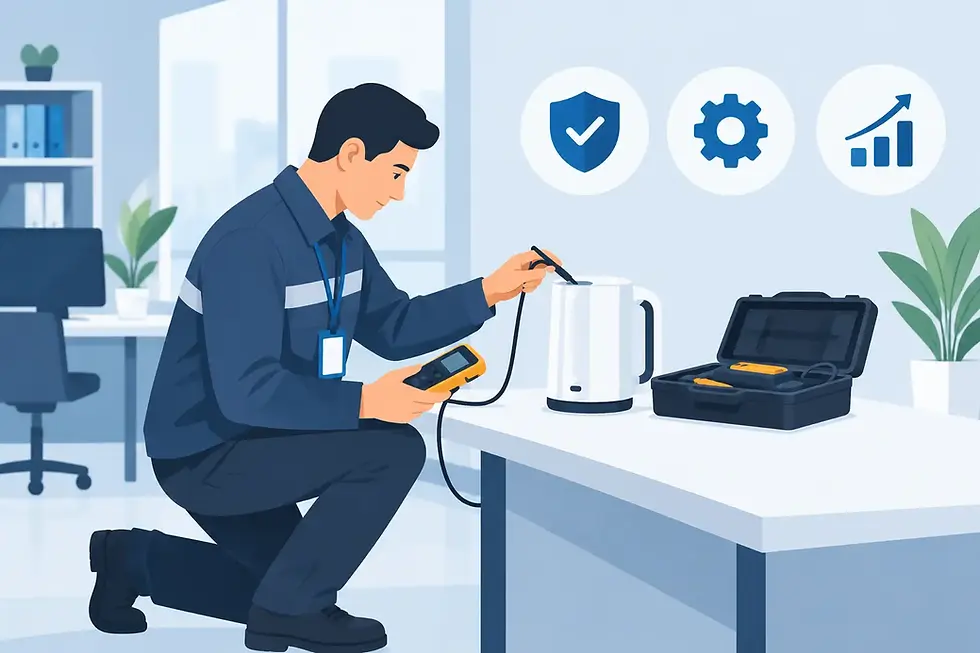
PAT testing is the inspection and testing of portable electrical appliances to help make sure they are safe to use. In practice, this usually starts with a visual inspection. Many faults are found this way before any instrument testing even begins. Damaged plugs, loose cables, cracked casings, signs of overheating, and unsuitable extension leads are common examples.
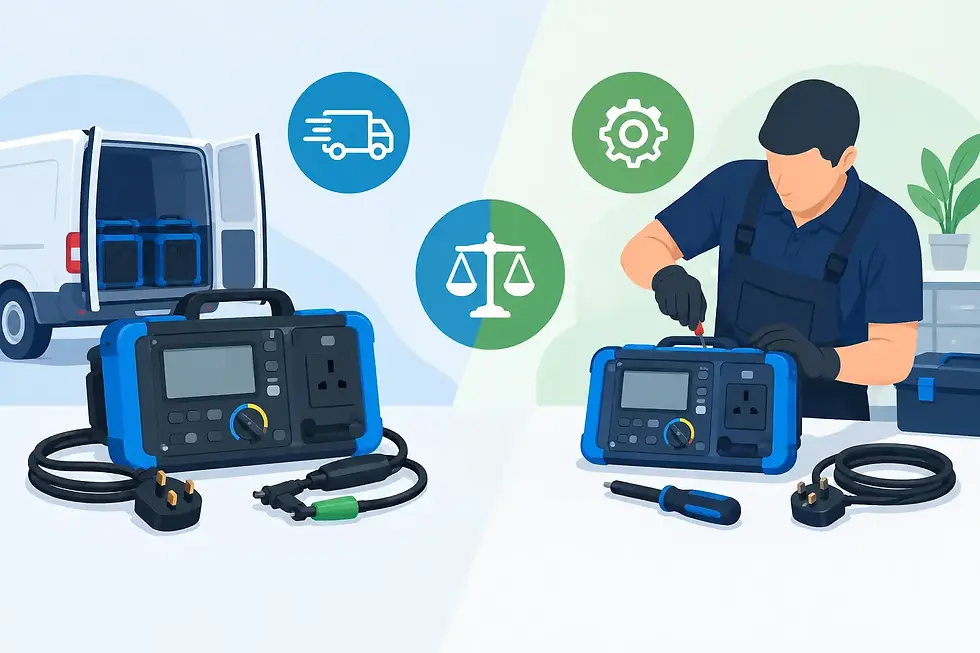
The next stage is electrical testing using specialist equipment, where appropriate for the appliance type. The tester records the result for each item and applies a label so it is easy to identify its status. Once the work is complete, you should receive a report and certificate confirming the testing has been carried out.
A good service normally includes more than a basic pass or fail note. You should expect appliance identification, test dates, outcomes, and a record of any failures or observations. For many businesses, that certificate matters just as much as the physical testing because it provides the evidence trail.
Why the certificate matters
The certificate is often the part people need most. If you are responsible for an office, school, surgery, workshop, rental property, village hall, or charity premises, you may be asked to show that appliances have been checked as part of your general duty to maintain a safe environment.
There is a practical point here. If a member of staff reports a fault, if an insurer asks for records after an incident, or if you are preparing for an audit, you do not want to be searching through old emails and handwritten notes. A proper certificate and supporting report keep everything in one place and make it much easier to show that safety checks are being managed sensibly.
It also helps internally. Facilities teams, office managers, and landlords often need a reliable way to track what has been tested and when it may be due again. Clear documentation removes guesswork.
PAT testing with certificate for businesses
For most businesses, the real question is not whether they need paperwork. It is whether the service is being delivered in a way that fits around daily operations.
Testing in a busy workplace should be organised, efficient, and low disruption. In an office, that may mean working around desks and shared equipment without interrupting staff more than necessary. In a school or healthcare setting, it may mean scheduling around safeguarding, patient access, or room availability. In a workshop or warehouse, it may involve a different mix of equipment and a stronger focus on durability, repairs, and higher-risk items.
That is why a one-size-fits-all approach rarely works well. The certificate is important, but the process behind it matters too. If the testing is rushed, poorly recorded, or badly explained, the paperwork will not inspire much confidence.
What should be on a PAT testing certificate?
Certificates can vary slightly between providers, but the essentials should be clear and easy to follow. You should expect to see details of the client site, the date of testing, and confirmation that the appliances were inspected and tested. In most cases there will also be a full supporting report listing individual items and their results.
The best reports are written in plain English. That sounds simple, but it makes a big difference. If a kettle fails because of a damaged flex or a printer lead is unsafe, the note should say so clearly. You should not need to interpret technical shorthand to understand what action is needed.
This is especially useful for organisations where the person booking the work is not an electrician. A clear certificate and report help office managers, landlords, bursars, and facilities staff make decisions quickly.
How often do appliances need testing?
This depends on the type of appliance, how often it is used, and the environment it is used in. A computer in a low-risk office may not need testing as often as power tools on a building site or kitchen appliances in heavy daily use.
That is where sensible advice matters. There is no benefit in over-testing safe, low-risk equipment just to create extra paperwork. Equally, leaving high-use items unchecked for too long can expose your staff and visitors to unnecessary risk.
A reliable PAT testing provider will usually recommend an interval based on the setting rather than applying the same schedule to every site. That is better for safety and often better for cost control as well.
Choosing a provider for PAT testing with certificate
If you are comparing services, the cheapest quote is not always the best value. What you really need is a provider who turns up on time, works professionally, records everything properly, and gives you documentation that is easy to use afterwards.
It is worth looking for qualified technicians, full reporting, and proof of insurance. Flexibility can be just as important. Out-of-hours appointments are often useful for businesses that cannot afford disruption during opening hours. Clear appliance labelling also helps when you need to identify what has been tested at a glance.
Good communication matters too. If something fails, you should be told clearly and without unnecessary jargon. You need to know whether the item should be taken out of use immediately, whether a simple repair may solve the issue, or whether replacement is the more sensible option.
For organisations across Basingstoke, Reading, Fleet and nearby areas, local service can also make a difference. A responsive local provider is often easier to book, easier to contact, and better placed to offer practical appointment times.
What happens if an item fails?
A failed appliance is not always a major problem, but it does need handling properly. In many cases, the issue is something straightforward such as a damaged plug, incorrect fuse, worn cable, or visible defect. Sometimes the appliance itself is no longer safe and should be removed from use.
What matters is that the result is recorded clearly and that the item is identified so there is no confusion afterwards. This is another reason certification and reporting matter. If a failed appliance is left in a cupboard and turns up again months later, proper records help prevent it being put back into use by mistake.
A sensible provider will explain the failure in plain terms and help you understand the next step. That keeps the process practical rather than stressful.
Keeping compliance simple
Most businesses do not want PAT testing to become a project. They want it booked, completed efficiently, and documented properly. That is why convenience is such a big part of a good service.
Free quotations, renewal reminders, clear reports, branded labels, and flexible appointments all help reduce the admin burden. They may sound like small details, but they make life much easier when you are already managing staff, premises, contractors, and day-to-day operations.
At its best, PAT testing with certificate is a simple part of running a safe workplace. It gives you a clear record, supports your wider health and safety responsibilities, and helps you stay organised without unnecessary fuss.
If you are arranging testing for the first time or reviewing an existing provider, focus on clarity, reliability, and proper documentation. The right service should leave you with safe equipment, tidy records, and one less thing to worry about.
Comments