
PAT Testing Reading Businesses Can Rely On
- A Swift
- 11 minutes ago
- 5 min read

A failed kettle in a staff kitchen is inconvenient. A damaged extension lead behind a reception desk, in a classroom or beside clinical equipment can be a much more serious concern. PAT testing Reading businesses can rely on is about finding those issues early, keeping clear records and making electrical safety easier to manage without bringing the working day to a halt.
For offices, shops, schools, landlords, charities and healthcare practices, portable appliance testing is a practical part of a wider electrical safety process. It gives the person responsible for the premises a clear picture of the equipment in use and evidence that sensible checks have been completed by a qualified professional.
What PAT testing means for Reading businesses
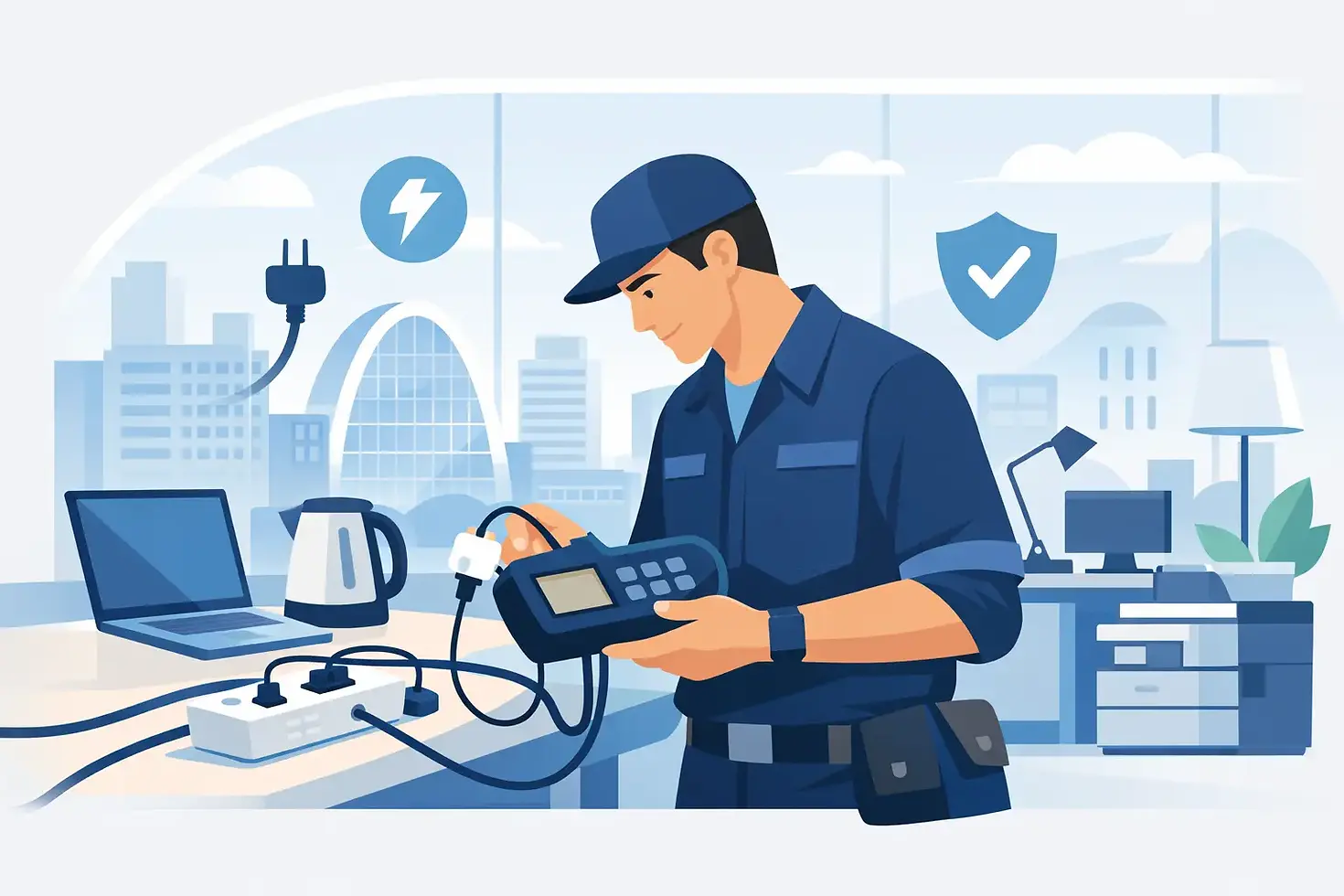
PAT stands for Portable Appliance Testing. It normally combines a visual inspection with electrical tests where appropriate. The visual element matters more than many people expect. Frayed leads, cracked plugs, unsuitable extension leads, loose wiring and signs of overheating can often be identified before a tester is connected.
The electrical test then checks whether an appliance is operating safely. Depending on the equipment, this may include earth continuity, insulation resistance and polarity checks. Each item is recorded as passed, failed or requiring attention, with an appliance label providing a simple on-site reference.
Portable does not only mean something small enough to carry in one hand. In a workplace, it may include computers and monitors, chargers, printers, kettles, microwaves, desk fans, vacuum cleaners, power tools, extension leads and portable heaters. The exact equipment list depends on the premises and how people work there.
A good PAT testing visit should not leave a manager with a confusing spreadsheet full of technical terms. The useful outcome is a clear report, a certificate for completed testing and straightforward advice on any failures. That gives you information you can act on, whether an item needs replacing, repairing or removing from use.
Is PAT testing a legal requirement?
There is no single rule stating that every appliance must be PAT tested annually. However, employers, landlords and duty holders have responsibilities to maintain electrical equipment safely. The Electricity at Work Regulations 1989 require systems to be maintained so far as is reasonably practicable to prevent danger.
PAT testing is a recognised and sensible way to support that duty. It provides a structured record of inspections and testing, rather than relying on memory or assuming equipment is safe because it still switches on.
The right testing frequency is not identical for every business. It should reflect risk. A low-use desktop computer in a tidy office generally presents a different risk from power tools used daily on a workshop floor or extension leads used in a busy community venue. Equipment that is moved frequently, used outdoors, exposed to heat or moisture, or handled by many people may need more regular attention.
This is why a blanket approach can be unhelpful. A qualified tester can help you set sensible intervals based on the type of appliance, its environment and its use, while keeping your records manageable.
Which appliances should be included?
Start with equipment that plugs into a mains socket, along with detachable power leads and extension leads. Appliances owned by the organisation should be logged, but personal equipment brought in by staff deserves a clear policy too. A phone charger or laptop lead may look harmless, yet it is still electrical equipment being used on your premises.
There are also items that are easily missed during a move, refurbishment or office clear-out. Under-desk heaters, kitchen appliances, cleaning equipment, display screens, meeting-room cables and spare chargers can accumulate quickly. For landlords of furnished properties and managers of shared premises, maintaining an accurate equipment list is especially useful.
Fixed electrical installations are different. Wall sockets, lighting circuits and consumer units are not normally covered by PAT testing. They require periodic inspection and testing by an electrician. The two services work together, but one should not be treated as a substitute for the other.
Keeping disruption to a minimum
The concern most often raised by busy workplaces is practical: how can testing be completed without interrupting staff, customers or service users? The answer is planning, not rushing.
Before an appointment, identify areas with sensitive equipment, peak trading times, private consultations or lessons that cannot be disturbed. A short appliance list and a named contact on site help the work move efficiently. Testing can then be organised room by room, floor by floor or outside normal hours where that is the least disruptive option.
Out-of-hours appointments can be particularly helpful for Reading businesses with customer-facing teams, healthcare settings, schools and offices where every desk is in use during the day. It may not be necessary for every site, but flexibility is valuable when downtime would create avoidable pressure.
Staff can also help by making appliances accessible and unplugging non-essential items in advance. There is no need to turn this into a major project. A simple instruction before the visit is usually enough: make sure equipment is visible, identify anything that must remain powered, and set aside personal items if they are included in the testing policy.
Why labels, reports and certificates matter
A pass label is useful because it shows that an item has been checked and provides an asset reference. However, the label alone is not your complete compliance record. The supporting report is where you can see what was tested, the result, the location and any notes or failures.
Clear documentation can make a real difference when you are preparing for an internal review, responding to an insurer's request or handing over responsibilities to a new office or facilities manager. It also prevents the familiar problem of trying to work out which appliances were tested last year and which were replaced afterwards.
For this reason, branded appliance labelling and jargon-free reporting are more than presentation details. They make routine safety checks easier for staff to follow. Renewal reminders also help ensure the next testing date does not disappear among other property and compliance tasks.
Keep the report with your wider health and safety records. If an item fails, record what happened next. Was it removed from use? Repaired and retested? Replaced? A failed result is not automatically a crisis. It is often evidence that the process worked by identifying a potential issue before it caused harm.
Choosing a PAT testing provider in Reading
Price matters, particularly for organisations with a large number of appliances, but it should not be the only consideration. The cheapest quote can become poor value if reporting is incomplete, testing is rushed or the provider cannot work around your operating hours.
Look for a provider that can explain the process plainly, carries appropriate liability insurance and supplies full results and certification. It is also worth asking how failures are handled and whether the quotation covers labels, reporting and travel. A clear quote makes it easier to budget and avoids surprises after the visit.
Local availability matters too. A provider familiar with Reading and the surrounding area can offer responsive appointments and may be better placed to return if equipment is added, replaced or needs retesting. Pax Animi PAT Testing provides qualified testing, clear documentation and flexible appointments designed to fit around normal operations.
A simple way to stay on top of electrical safety
PAT testing works best when it is part of a routine rather than a last-minute response to an audit, insurance renewal or incident. Keep an up-to-date asset list, encourage staff to report damaged leads promptly and review testing intervals when your premises or working practices change.
Do not overlook day-to-day visual checks. If a plug is cracked, a lead is damaged, an appliance smells of burning or a socket becomes unusually hot, take the item out of use and arrange for it to be assessed. A current pass label does not make visibly damaged equipment safe.
When testing is planned around your working hours and backed by readable records, electrical safety becomes one less administrative burden. The right arrangement gives you confidence that the equipment people use every day has been checked properly, and that you can show what has been done when it matters.


Comments