

What Is Portable Appliance Testing?

A kettle in the staff kitchen, extension leads under desks, mobile phone chargers in meeting rooms, a vacuum in a communal hallway - most workplaces rely on portable electrical equipment all day, every day. If you have ever wondered what is portable appliance testing, it is simply the process of checking those items are safe to use and recording the results properly.
Portable Appliance Testing, usually shortened to PAT testing, is a practical way to inspect electrical equipment that can be moved and plugged in. That includes obvious items such as monitors, printers, microwaves and fans, but also less obvious ones such as extension leads, mobile phone chargers, floor lamps and power tools. The aim is straightforward: spot damage, wear or faults before they become a safety problem.
For most businesses, PAT testing is not about ticking a box for the sake of it. It is about protecting staff, visitors, tenants, pupils, patients or customers from avoidable electrical risks. It also helps show that you are taking reasonable steps to maintain equipment safely, which matters for internal procedures, insurers and audit records.
What is portable appliance testing in practice?
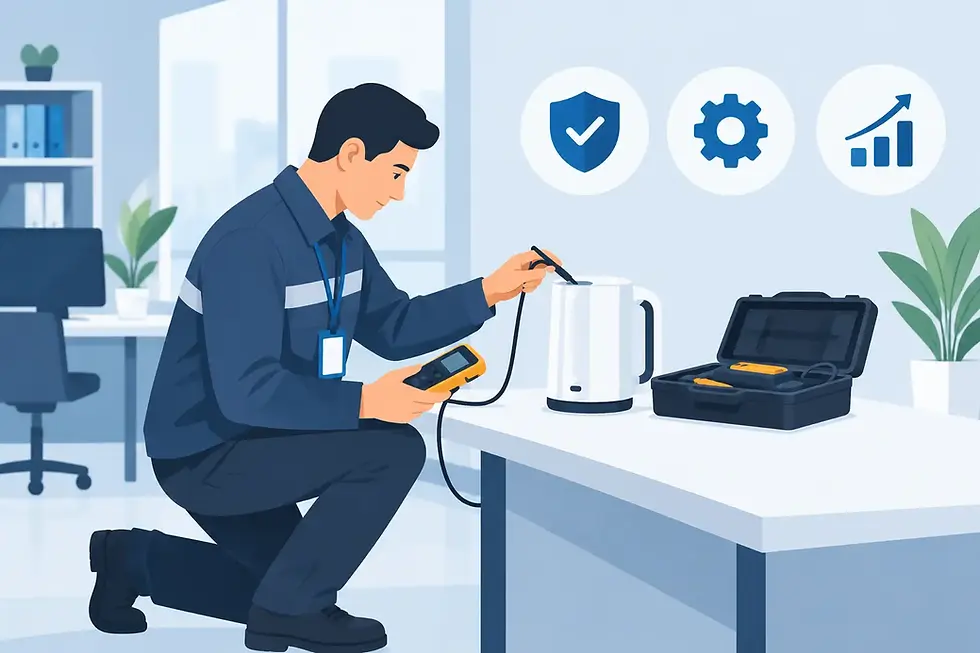
In practice, PAT testing combines a visual inspection with electrical checks using specialist equipment. The visual part matters more than many people realise. A qualified tester will look for signs of damage such as cracked plugs, frayed cables, loose connections, scorch marks, poor repairs or the wrong fuse.
If the appliance is suitable for formal testing, it is then checked with a PAT tester. This measures things such as earth continuity, insulation resistance and polarity, depending on the type of appliance. The details can sound technical, but the outcome should not be. What most organisations need is a clear pass or fail result, a record of what was tested, and straightforward advice if something needs attention.
That is why plain-English reporting is so useful. A good PAT service should make the process easy to understand, not leave you decoding technical notes after the technician has gone.
Which appliances need PAT testing?
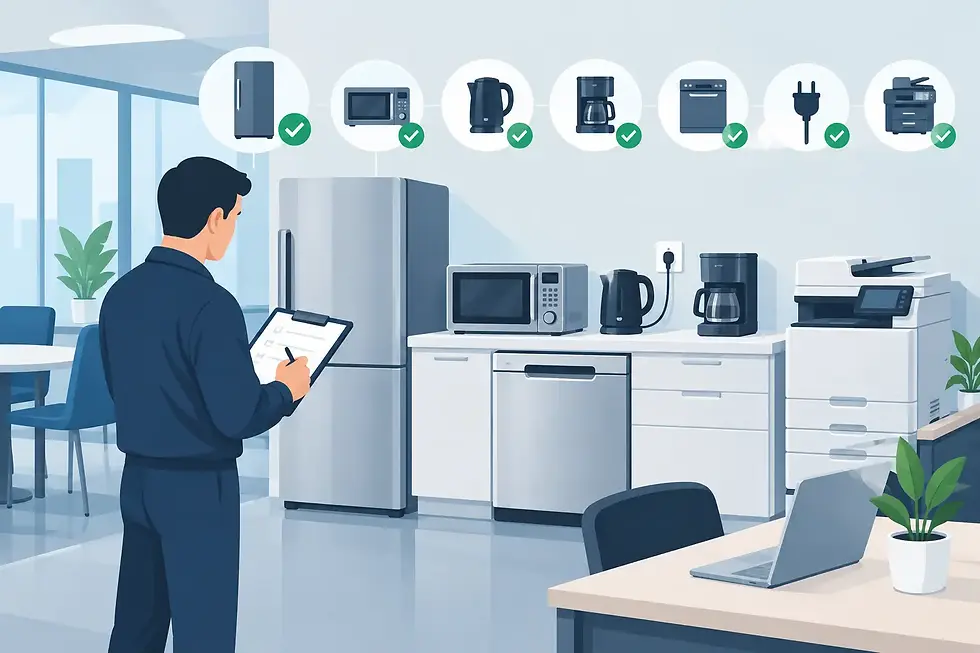
A simple rule is this: if it plugs into the mains and can be moved, it may need PAT testing. That covers a wide range of equipment in offices, schools, rental properties, healthcare settings, workshops and community spaces.
Typical examples include computers, screens, desk lamps, kettles, toasters, extension leads, photocopiers, cleaning equipment, hand dryers, portable heaters and IT chargers. In some environments, there may also be specialist appliances such as salon equipment, workshop tools or devices used in treatment rooms.
Not every item carries the same level of risk. A mobile phone charger used gently in an office is different from a power tool used daily on a busy site. That is why testing frequency is not one-size-fits-all. The type of appliance, how often it is used, who uses it and the working environment all affect how often it should be checked.
Is PAT testing a legal requirement?
This is where confusion often starts. There is no single law that says every appliance must have PAT testing once a year. What the law does require is that electrical equipment is maintained in a safe condition.
For employers, landlords and duty holders, that responsibility comes from workplace and electrical safety legislation. PAT testing is one recognised way to help meet that duty. It provides evidence that equipment has been inspected, tested where appropriate and recorded properly.
So the honest answer is that PAT testing itself is not always prescribed in a fixed way, but safe maintenance is required. In many workplaces, PAT testing is the most sensible and practical method of showing you are managing that responsibility properly.
This is also why the question is not just, "Do I legally have to do it?" A better question is, "How do I demonstrate that my appliances are being checked and kept safe?" For many organisations, PAT testing is the clearest answer.
Why businesses arrange PAT testing
For most organisations, the value goes beyond compliance. It helps reduce the chance of electric shock, burns or fire caused by faulty equipment. It also helps identify everyday issues early, before they turn into bigger problems or disrupt the working day.
There is an administrative benefit too. When testing is carried out properly, you receive a record of the appliances tested, their condition and the outcome. That can support insurance requirements, health and safety files, internal audits and renewal planning.
For busy offices, schools or clinics, convenience matters just as much as safety. Testing needs to be done with minimal interruption, ideally around your schedule rather than the other way round. That is why many organisations prefer a service that can work efficiently, label appliances clearly and provide certificates and reports without creating extra paperwork for the client.
What happens during a PAT testing visit?
A typical visit starts with identifying the appliances that need checking. In some cases, that means testing everything portable on site. In others, it may mean focusing on a defined list, especially where records are already in place.
Each suitable item is visually inspected and then tested if required. Appliances are usually labelled to show the result and the date, which makes it easier to see what has been done. Any failed items are clearly noted so they can be removed from use, repaired or replaced.
Once the work is complete, you should receive documentation that is easy to keep on file. This often includes a report of tested appliances and a certificate for your records. For many businesses, that paperwork is just as important as the testing itself because it supports inspections, audits and policy reviews.
A professional provider should also be realistic about the site. In a busy workplace, testing may need to happen outside normal hours or in stages to avoid disruption. That kind of flexibility can make a big difference, especially in schools, medical settings and customer-facing premises.
How often should PAT testing be done?
There is no universal annual rule for every appliance. The right interval depends on risk. Equipment used heavily, moved often or used in harsher environments will usually need more frequent inspection than low-risk items in a stable office setting.
For example, a kettle in a shared kitchen, an extension lead used daily or a vacuum cleaner moved around a building may justify more regular checks than a desktop monitor that rarely moves. Likewise, equipment in workshops, rental properties or public spaces may need closer attention than equipment in a small private office.
A qualified PAT tester can help you set sensible intervals based on the type of site and the equipment you have. That approach is usually more useful than following a blanket schedule that may be too frequent for some items and not frequent enough for others.
Who should carry out PAT testing?
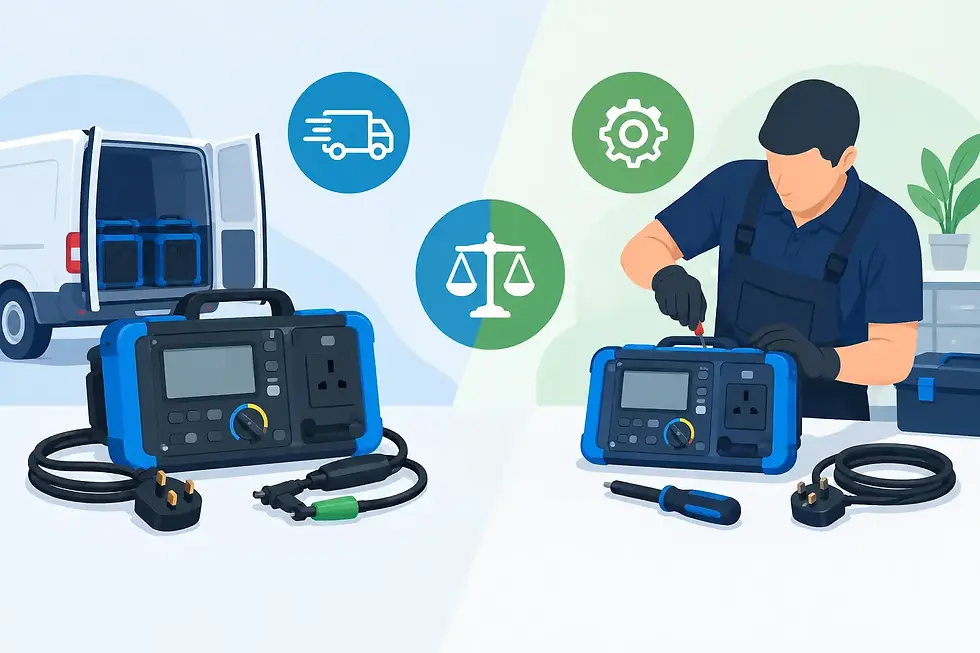
PAT testing should be carried out by someone competent to do it. That means a person with the right training, knowledge and equipment to inspect appliances properly, understand the results and identify when something is unsafe.
In some organisations, simple visual checks may be done internally between formal tests. That can be useful as part of routine safety awareness. But formal PAT testing is best left to a qualified professional who can provide proper records and make clear recommendations where needed.
For many businesses, using a specialist service is the easiest option. It saves time, reduces guesswork and gives you confidence that the testing has been carried out properly. It also means your documentation is ready when you need it, whether that is for internal compliance, insurance records or an external audit.
What should you look for in a PAT testing provider?
The best provider is not just someone with a tester and a stack of labels. You want a service that is reliable, clearly qualified and easy to work with. Good communication matters. So does clear reporting, sensible pricing and a straightforward process from quotation to certification.
It also helps if the provider can work around your hours, especially if you need testing done with minimal downtime. Out-of-hours appointments, organised labelling and renewal reminders can take a lot of pressure off whoever is responsible for compliance.
If you are based around Basingstoke, Reading, Fleet or Farnborough, a local specialist such as Pax Animi PAT Testing can also make the process more practical. Local coverage often means faster scheduling, responsive communication and a service that feels more personal and dependable.
What is portable appliance testing really for?
At its core, PAT testing is not about stickers. It is about having confidence that the everyday equipment people rely on is being checked properly, used safely and backed up by the right records.
For a business owner or site manager, that peace of mind matters. You do not want to chase paperwork, decode technical reports or wonder whether your last test actually covered everything it should have. You want a straightforward service, clear results and the reassurance that your appliances - and your records - are in good order.
If your workplace relies on portable electrical equipment, PAT testing is one of the simplest ways to keep safety practical, visible and manageable.
Comments