

PAT Testing Certificate: What You Need

A pat testing certificate often becomes important at the exact moment someone asks for it - an insurer, a landlord, a school business manager, or a health and safety auditor. If your records are incomplete or unclear, a simple request can quickly turn into an avoidable headache. That is why it helps to know what the certificate is, what it should include, and what it does not prove.
For most businesses, the real value is not the document itself. It is the confidence that your portable electrical equipment has been checked properly, the results have been recorded clearly, and you have the paperwork ready when you need it.
What is a PAT testing certificate?
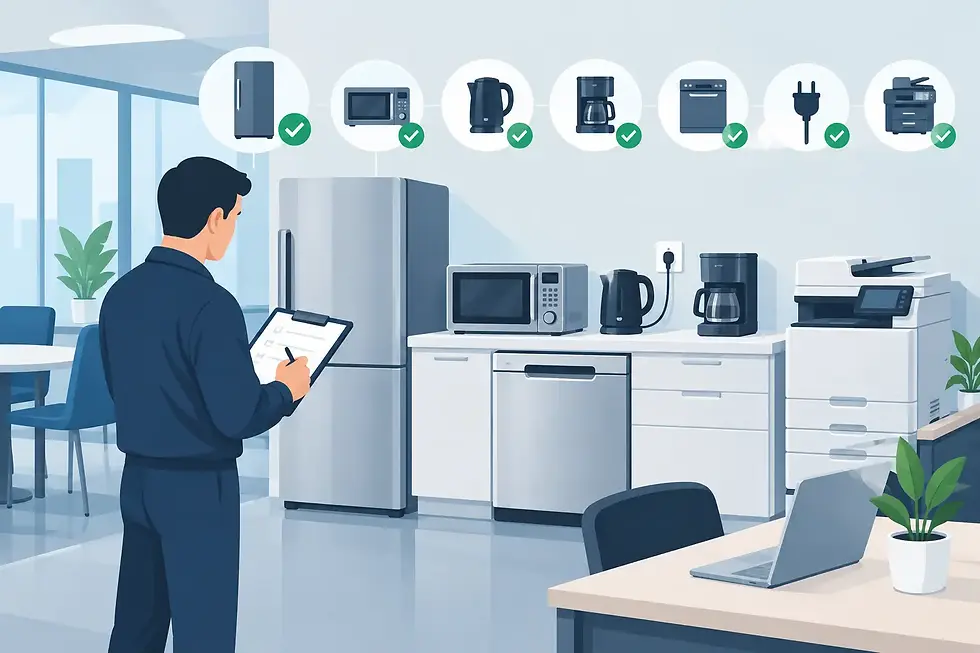
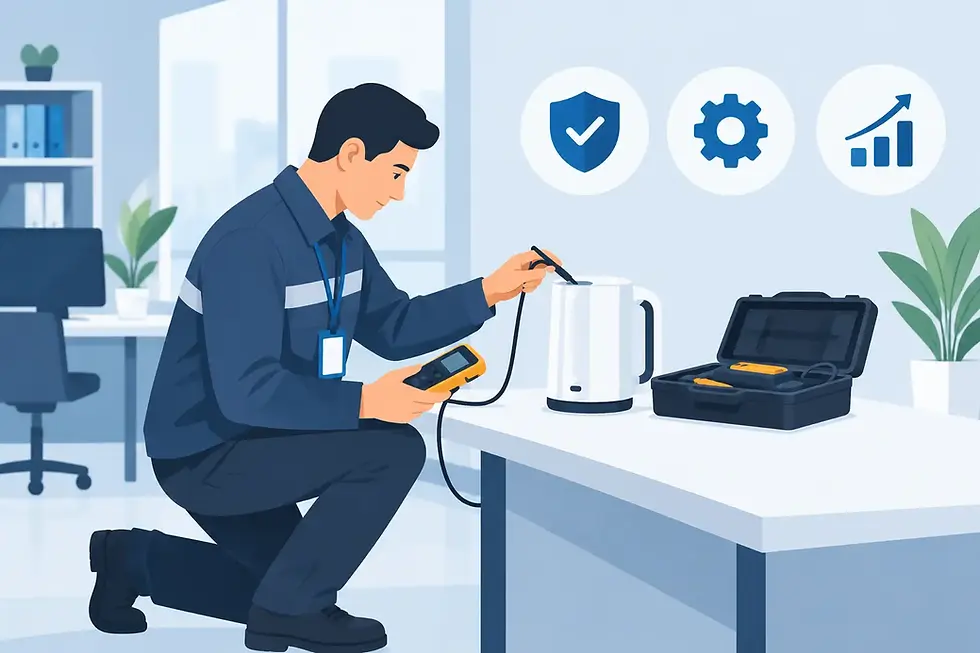
A PAT testing certificate is the document issued after portable appliance testing has been carried out. It records that electrical items have been inspected and, where appropriate, tested, with results logged against each appliance or asset.
In plain terms, it is your formal record of the work completed. It shows that a qualified person has assessed the appliances included in the visit and produced a report of pass and fail outcomes. Depending on the provider, the certificate may sit alongside a more detailed asset list or full test report.
This is where some confusion comes in. People often use one phrase to describe several pieces of paperwork. One client may ask for a PAT certificate, while another really means the full report, labels on equipment, or a schedule of tested items. A reliable provider will make this simple by giving you clear documentation rather than expecting you to decode technical language.
What a PAT testing certificate should include
A useful pat testing certificate should do more than confirm that someone attended your site. It should give you enough detail to keep proper records and show that testing has been carried out responsibly.
In most cases, you should expect the certificate or accompanying report to include the name and address of the customer site, the date of testing, the next recommended test date or review period, and the details of the person or company who carried out the work. It should also identify the appliances tested and record whether each item passed or failed.
Good reporting matters here. A one-page certificate with no appliance schedule may not be enough if you need to show exactly what was tested. For a small office with a handful of items, basic documentation may be perfectly adequate. For schools, surgeries, workshops, landlords, and larger organisations, a fuller record is usually the safer option.
Does a PAT testing certificate mean you are fully compliant?
Not by itself.
This is one of the most important points to understand. A PAT testing certificate supports your compliance records, but it is not a blanket guarantee that your business has met every electrical safety duty. Electrical safety in the workplace depends on more than one certificate. It also includes selecting suitable equipment, using it correctly, carrying out visual checks, removing damaged items from service, and deciding how often inspection and testing should happen.
So yes, the certificate is important. But it is only one part of sensible risk management.
That is not a drawback of PAT testing. It is simply the practical reality. If someone promises that a certificate alone covers everything, that is usually a sign the explanation is being oversimplified.
When businesses are usually asked for a PAT testing certificate
Many organisations do not think much about certification until someone requests it. That request can come at inconvenient times, especially if records have not been kept up to date.
The most common situations include insurance renewals, landlord or tenant compliance checks, contractor pre-qualification, health and safety audits, and internal governance reviews. Schools, charities and healthcare settings are often asked for clear documentation because they manage shared spaces and duty of care is closely scrutinised.
A certificate can also be helpful when responsibility is split across teams or sites. If you manage an office, surgery, church hall, rental property, workshop or community building, the paperwork creates a clear record of what has been tested and when. That makes handovers easier and reduces uncertainty.
Why clear reporting matters as much as the certificate
For most customers, the problem is not arranging the testing. The problem is what happens afterwards if the paperwork is confusing.
Reports full of codes, abbreviations and unexplained results are not much use to a busy office manager or landlord trying to keep records in order. You should not have to translate technical notes just to work out whether action is required.
That is why straightforward reporting has real value. You need to know which items passed, which failed, whether any appliances should be taken out of use, and what to do next. If a provider supplies branded labels on appliances and a clear certificate backed up by a readable report, you are in a much better position for inspections, audits and day-to-day management.
It also saves time later. When renewal dates come round or someone asks for proof of testing, you are not searching through old emails trying to piece the story together.
How often should a PAT testing certificate be renewed?
There is no single rule that suits every workplace. The right testing frequency depends on the type of equipment, how often it is used, who uses it, and the environment it is in.
A quiet office with desktop monitors and phone chargers may not need the same testing pattern as a workshop, a school DT room or a hair salon. Equipment that is moved often, used heavily, or exposed to tougher conditions may need more frequent checks. Low-risk items in stable environments may need less frequent formal testing.
This is where a practical provider helps. Rather than applying the same timetable to every customer, they should consider your setting and advise sensibly. The aim is to keep equipment safe and records current, not to create unnecessary cost or disruption.
Choosing a provider for PAT testing certification
If you need a pat testing certificate, it makes sense to look beyond price alone. Low-cost testing can become poor value if the documentation is incomplete, the visit is disruptive, or you are left chasing reports afterwards.
A better service is usually built around reliability and clarity. That means appointments that work around your business, testing carried out efficiently, proper records, and results explained in plain English. For many organisations, out-of-hours appointments are especially useful because they reduce interruption to staff, pupils, patients or visitors.
It is also worth checking that the company is properly insured and able to provide full reporting rather than just stickers on plugs. Labels are helpful, but labels without supporting documentation can leave gaps in your records.
For businesses in areas such as Basingstoke, Reading, Fleet and Farnborough, a responsive local provider can make the whole process easier. If you need testing across one site or several, local coverage often means quicker booking, more flexible scheduling and simpler follow-up when renewal time comes around.
Common misunderstandings about PAT certificates
One misunderstanding is that every appliance needs the same type of test. In reality, different items may require different levels of inspection depending on their class, use and condition.
Another is that a pass label is enough on its own. Labels are useful for quick identification, but they are not a substitute for proper records. If you are asked for evidence, you will usually need the certificate and supporting report.
A third is that PAT testing only matters for large companies. Smaller businesses, landlords, charities and community organisations often face the same need for safe equipment and clear documentation, even if they have fewer appliances.
What good documentation should leave you with
After testing, you should not be left wondering what has been done. You should have a certificate, a readable report, clear identification of failed items, and a sensible idea of when to review or retest.
That is what turns PAT testing from a box-ticking exercise into something genuinely useful. It supports safety, keeps records tidy, helps with insurance and audits, and reduces the chance of last-minute stress when paperwork is requested.
Pax Animi PAT Testing takes that practical approach because most customers do not need more jargon. They need qualified testing, dependable reporting and a straightforward process that fits around the working day.
If you are arranging testing, the best question is not just whether you will receive a certificate. It is whether the paperwork you receive will still make your life easier six months from now.
Comments