

How to Choose a PAT Provider for Your Business

A missed test date, unclear certificate or technician arriving during your busiest hours can turn a simple compliance task into an unnecessary headache. If you are searching for how to choose PAT provider support, focus on the practical details that protect your people, records and working day - not just the lowest price on a quote.
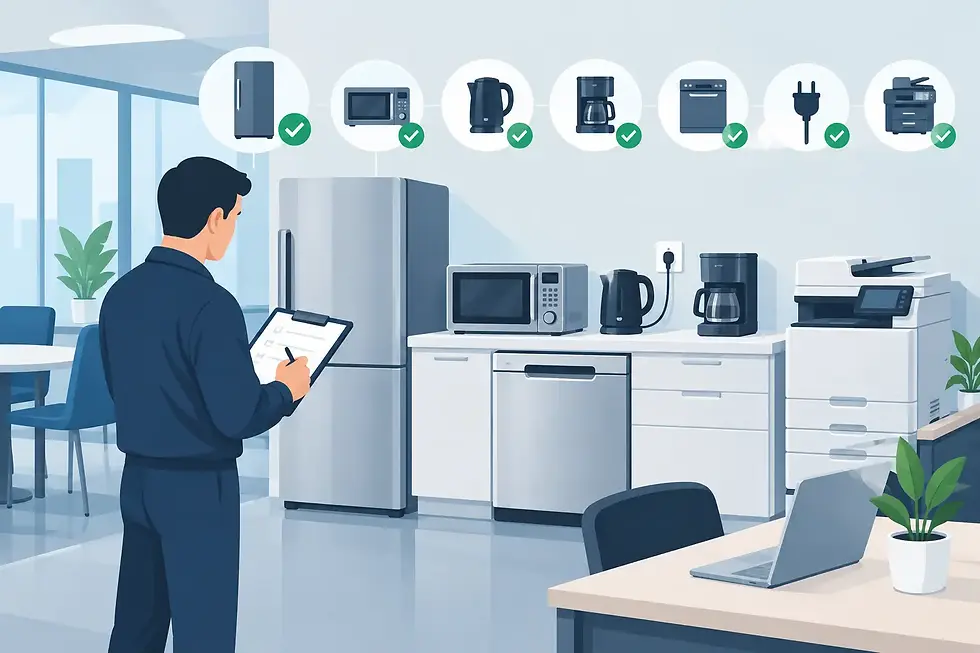
PAT testing helps you manage the safety of portable electrical equipment, from office monitors and kettles to extension leads, power tools and chargers. A good provider makes the process straightforward: they test competently, explain what they find, leave clear records and work around your organisation where possible.
Start with competence, not a promise of compliance
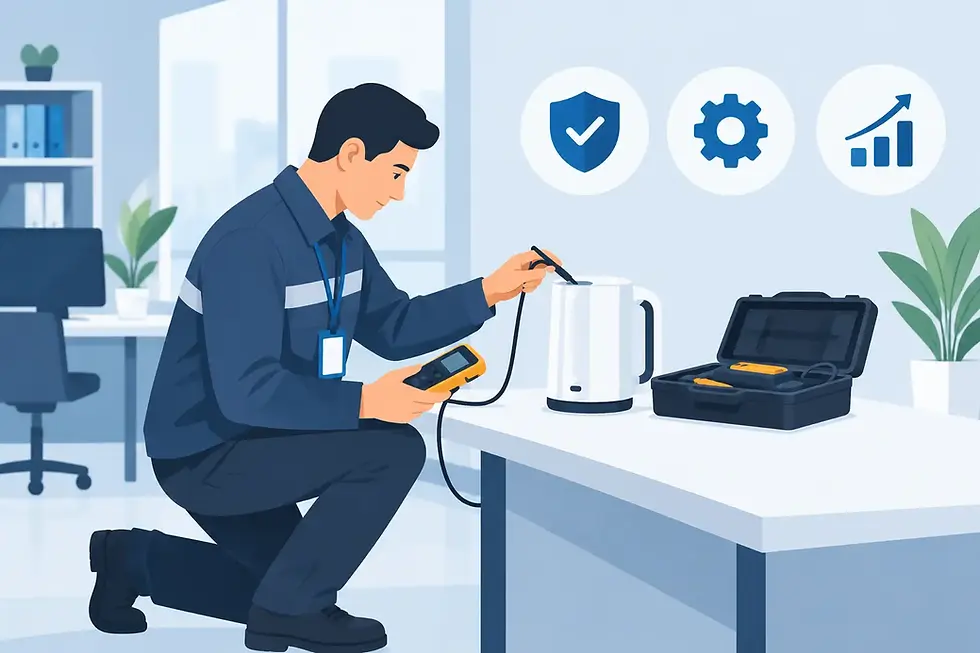
The first question is whether the person carrying out the work is properly trained and capable of assessing the equipment in your setting. PAT testing is not simply attaching a pass sticker. It involves visual checks, appropriate electrical tests and sensible judgement about the appliance, its use and its environment.
Ask a prospective provider what training and experience their technician has, and whether they work with organisations like yours. A workshop, school, care setting and small office may all have portable appliances, but the risks and operating patterns can be very different. Someone familiar with your type of premises is more likely to work efficiently and flag issues in a useful way.
Be wary of vague claims such as “fully compliant” with no explanation of what will actually be done. There is no single legal rule requiring every item to be tested annually. Your duty is to maintain electrical equipment safely, using an inspection and testing approach that is proportionate to the equipment and how it is used. A reliable provider will discuss suitable intervals rather than sell a one-size-fits-all schedule.
Check what the PAT report and certificate will include
Documentation is often the reason organisations arrange PAT testing in the first place. You may need it for internal safety procedures, an insurer, a landlord, a tender requirement or an audit. A pass label on an appliance is helpful, but it is not enough on its own.
Before booking, ask to see an example of the report or confirm exactly what you will receive. The records should identify the items tested, show their location where relevant, give each appliance a unique reference, record the result and explain any failures. You should also receive a certificate or formal record confirming the testing completed.
The best reports are clear enough for an office manager, business owner or facilities lead to use without translating technical language. If an item fails, you need to know what it is, why it was removed from use and what should happen next. A provider should be able to explain this in plain English, including whether an item can be repaired and retested or should be replaced.
Labels should support your records
Branded appliance labels can make day-to-day management easier. They allow staff to see that an item has been inspected and provide a quick reference number that matches the report. Labels are useful, but they should never replace good digital or written records, especially for equipment that moves between rooms or sites.
Choose a provider who works around your business
Testing several dozen or several hundred appliances involves people moving through your workplace, briefly switching equipment off and accessing items that may be under desks, in cupboards or in shared areas. The technical work matters, but so does how it is organised.
Ask when the provider can attend and how they plan to minimise disruption. Out-of-hours appointments can be particularly valuable for offices, schools, healthcare practices, shops and customer-facing businesses. For some sites, testing during a quieter afternoon is perfectly suitable. For others, evening or weekend work avoids interrupting staff and visitors.
A good provider will also tell you how to prepare. You may need to make appliances accessible, identify equipment that cannot be switched off, arrange access to locked rooms or let staff know in advance. This small amount of planning helps the visit run smoothly and reduces the chance of missed items.
If your equipment is spread across several premises, ask how the provider manages site lists and reporting. One combined record may be helpful, while separate site reports can make local responsibility clearer. The right approach depends on how your organisation manages safety records.
Compare quotes properly
Competitive pricing matters, but the cheapest number is not always the lowest overall cost. A quote that appears inexpensive may exclude certificates, call-out charges, failed-item retests, parking, travel or work outside standard hours. It may also be based on a minimum number of appliances that does not suit your premises.
A clear quote should explain the pricing basis and what is included. Is the cost per item, per visit or a fixed price? Is there a minimum charge? Are reports and certificates included? What happens if the final appliance count differs from the estimate? These are straightforward questions, and a professional provider should answer them without hesitation.
It is also sensible to consider the time saved by a well-organised service. A slightly higher quote that includes flexible appointments, clear communication and usable reports can represent better value than a low-cost visit that leaves you chasing paperwork or arranging another appointment.
Confirm insurance and professional accountability
Anyone working in your premises should carry appropriate public liability insurance. This is a basic reassurance that they take professional responsibility seriously. You can ask for confirmation before the appointment, particularly if your organisation has supplier checks or safeguarding procedures.
Reliability is harder to put on a quote, but it matters just as much. Look for a provider who responds promptly, confirms appointments, arrives when agreed and is available to answer questions after the visit. Local providers can be especially convenient when you need a responsive service in Basingstoke, Reading, Fleet, Farnborough or nearby areas.
Renewal reminders are another useful sign of an organised service. They do not remove your responsibility for electrical safety, but they can prevent testing dates and supporting records from slipping through the cracks as teams and premises change.
Questions worth asking before you book
You do not need a technical background to assess a PAT testing company. A short conversation should give you the information you need. Ask:
Who will carry out the testing, and what training or experience do they have?
What report, certificate and appliance labelling will be provided?
Can testing be arranged outside normal working hours if needed?
What is included in the quoted price, including reports and retests?
Do you hold public liability insurance?
How will failed appliances be recorded and explained?
Can you provide a reminder when the next inspection is due?
Pay attention to how the answers are given. Clear, practical answers usually indicate the same approach on site. If a provider makes simple questions feel complicated, the reporting and follow-up may be harder than they need to be.
Avoid treating every appliance the same
The right testing programme reflects risk. A frequently used extension lead in a busy workshop needs a different level of attention from a low-use monitor in a locked office. Equipment used by the public, handled frequently, moved between locations or exposed to demanding conditions may require more frequent checks.
This does not mean an organisation needs to over-test everything to be safe. It means keeping a sensible record of what you own, how it is used and what checks have been completed. Your PAT provider should help you make that process manageable rather than push unnecessary work.
For landlords and businesses with staff working from home, ask specifically how off-site or personally owned equipment is handled. The answer may depend on your policies, the equipment provided and the work being undertaken. Clear boundaries and documented decisions are often more useful than assumptions.
The right PAT provider will leave you with more than stickers: you should have confidence that appliances have been checked properly, failures have been dealt with sensibly and your records are ready when someone asks for them. Choose a service that communicates clearly, works with your schedule and makes electrical safety one less job to worry about.
Comments