

Choosing a Qualified PAT Testing Service

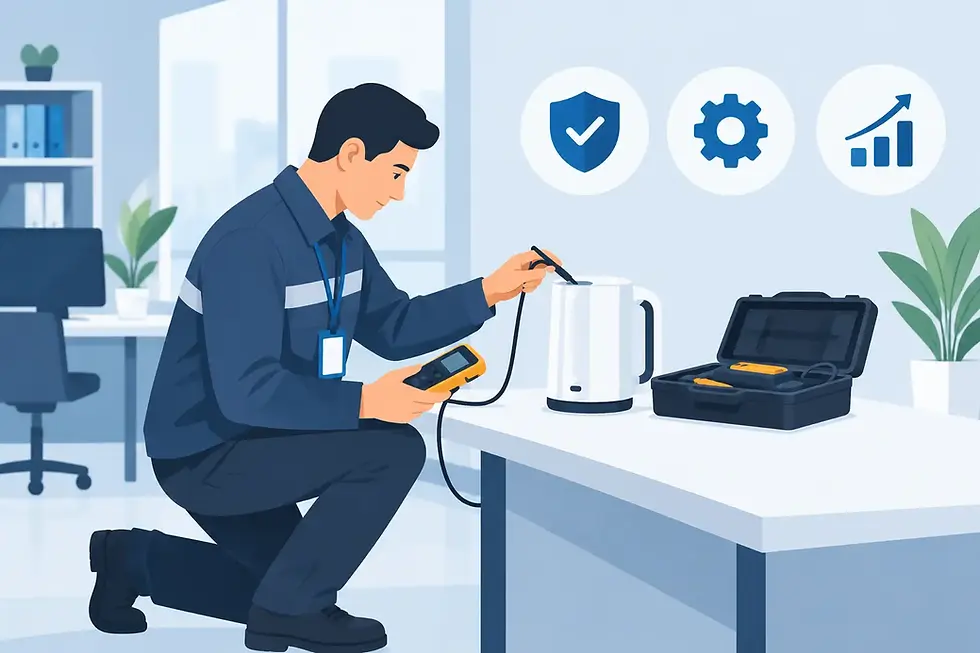
A failed kettle in a staff kitchen may seem minor, but it can become a safety issue, an insurance question and an avoidable interruption to the working day. Choosing a qualified pat testing service gives you more than stickers on plugs. It gives you a clear record of what has been checked, what needs attention and where your organisation stands.
For offices, schools, landlords, charities, workshops and healthcare practices, electrical safety should not create unnecessary admin. The right provider will work around your schedule, explain results in plain English and leave you with the documentation needed for your records.
What a qualified PAT testing service should provide
PAT testing, or Portable Appliance Testing, is a practical way to support the safe use of portable electrical equipment. This can include computers, monitors, extension leads, kettles, chargers, power tools, printers, fans and other appliances that plug into the mains.
A qualified provider does not simply test every item in the same way and move on. They begin with a visual inspection, because damaged cables, cracked plugs, exposed wiring and unsuitable extension leads can often be identified before an electrical test is carried out. Where appropriate, they then use properly maintained test equipment to check the appliance and record the result.
You should receive a clear report showing the equipment tested, its location or description, the result and any items that failed. A certificate or formal test record should also be supplied, allowing you to demonstrate that checks have been completed as part of your wider electrical safety arrangements.
Clear appliance labels are useful too. They make it easy for staff and managers to see whether an item has passed, when it was tested and when it is due for review. Branded labels can be particularly helpful in shared offices, schools, managed properties and larger sites where equipment moves between rooms.
Qualification is about competence, not just a tester
Anyone can buy a basic tester, but safe and meaningful PAT testing relies on competence. The person carrying out the work needs to understand what they are looking at, how different appliance classes affect the test method and when an item should be removed from use.
This matters most when a result is not straightforward. A qualified technician can identify whether an issue is likely to be a damaged lead, an incorrect fuse, a problem with the appliance or an item that should be isolated immediately. They should also be able to explain the finding without burying you in technical terms.
Ask a prospective provider how they establish competence, whether they hold suitable training and qualifications, and whether they have public liability insurance. These are sensible questions, especially if you are responsible for a workplace, school, rental property or public-facing premises.
Experience in your type of setting also has value. Testing equipment in a quiet office is different from working around a busy clinic, a workshop with heavy-use tools or a school timetable. A professional service will respect the environment, communicate clearly and carry out the work with as little disruption as possible.
PAT testing frequency depends on risk
There is no single annual PAT testing rule that applies to every appliance and every workplace. The legal duty is to maintain electrical equipment so that it is safe to use. PAT testing can help demonstrate this, but the right inspection and testing frequency should be based on risk.
A desktop computer in a well-managed office may not need the same attention as a power tool used daily on a building site. Equipment used by the public, appliances in communal areas, leads that are moved frequently and items used in demanding environments may need more regular checks.
A sensible provider will help you take a practical view. They should consider the type of equipment, how often it is used, who uses it, where it is kept and its previous condition. Testing everything on an arbitrary schedule may be simple administratively, but it is not always the most proportionate approach.
Between formal testing visits, staff should still be encouraged to report damaged cables, loose plugs, overheating, unusual smells or signs of wear. A passed label is not a reason to keep using equipment that has since been damaged.
Reports should make compliance easier
The paperwork is often what matters most after the technician has left. If an insurer, auditor, landlord, health and safety lead or internal manager asks for evidence, you need records that are easy to find and easy to understand.
Look for reports that identify failed items clearly and separate them from passed equipment. It should be straightforward to see what action is needed, whether an item has been removed from use and how many appliances were tested overall. Jargon-free reporting saves time when you need to brief a colleague or update your safety file.
Good records also help avoid repeat confusion. If a particular extension lead has failed, it should not reappear in service because no one knew why it was set aside. If equipment has been replaced, the report gives you a useful point of reference for keeping the asset list current.
For organisations with multiple rooms, departments or sites, accurate location details are especially helpful. They reduce the time spent hunting for equipment at the next visit and make it easier to assign responsibility for any remedial work.
Convenience is part of a professional service
PAT testing should fit around your organisation, not force your organisation to stop for it. This is particularly relevant for schools, surgeries, retail premises, busy offices and charities with volunteers on site throughout the day.
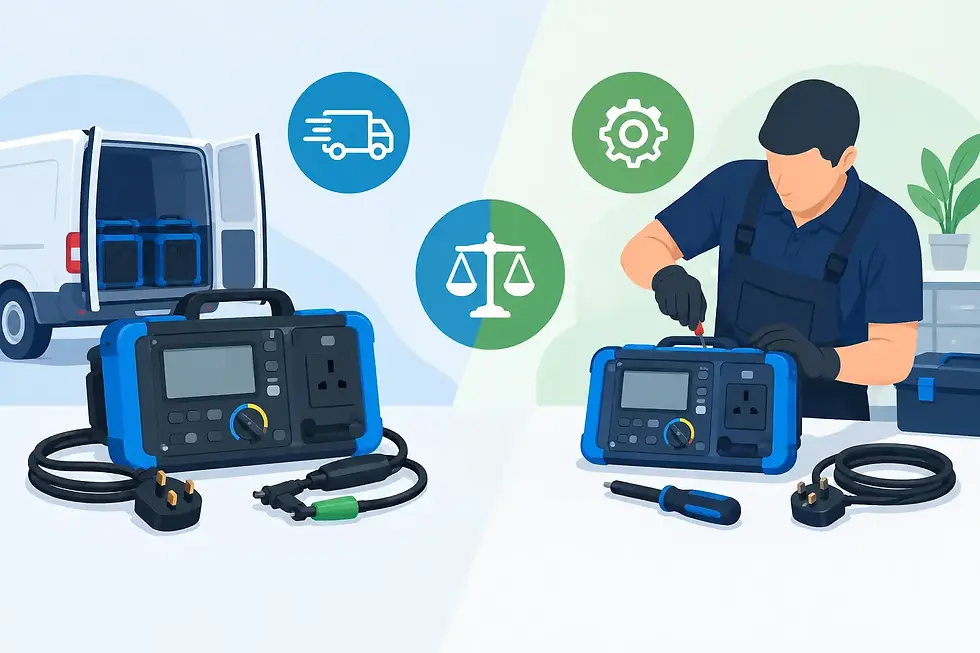
Out-of-hours or low-disruption appointments can be a genuine advantage. Testing can often be arranged before opening, after closing or at a quieter point in the week, depending on the premises and the amount of equipment involved. The trade-off is that access must be planned properly - locked cupboards, staff-owned devices and equipment in meeting rooms can all delay the visit if they are not available.
Before booking, it helps to agree what will be tested and who will provide access. Let the provider know about specialist equipment, equipment that cannot be switched off, separate buildings and devices brought in by staff. A short conversation beforehand makes the appointment more efficient and helps ensure the quotation reflects the work required.
At Pax Animi PAT Testing, the focus is on making this process straightforward for organisations across Basingstoke, Reading, Fleet, Farnborough and nearby areas, with flexible appointments and clear documentation after testing.
Questions worth asking before you book
Price matters, but the lowest quote is not always the best value if it leaves you without usable records, covers only part of the equipment or requires staff to deal with unclear failures afterwards. A free, no-obligation quotation should explain what is included and give you confidence that there will be no surprises.
It is worth asking whether the service includes visual inspections, electrical tests where appropriate, pass and fail labels, a full report, certification and renewal reminders. Also ask how failed items are recorded and whether the technician can explain the outcome on site.
For landlords and property managers, clarify whether tenant-owned equipment is included. For offices, establish how desk equipment, kitchen appliances and extension leads will be counted. For schools and charities, consider equipment stored in cupboards or taken off site for events. These details affect both the scope of testing and the accuracy of your records.
A responsive local provider can be easier to work with when dates change, additional equipment is found or you need a copy of a previous certificate. That level of service may not look dramatic on a quotation, but it can save considerable time when compliance information is needed quickly.
Keep electrical safety manageable
A qualified PAT testing service should leave your workplace safer and your administration lighter. You should know which items passed, which items need attention and when to plan the next review, without having to interpret a complicated technical report.
If your testing records are out of date, equipment has been added since the last visit or you are unsure what frequency suits your premises, arranging a clear quotation is a practical first step. A friendly, competent conversation can turn an overlooked compliance task into a simple part of running your organisation safely.

Comments